

How to Choose a Mobile Phone for Photography Enthusiasts
Gone are the days when serious photography required lugging around heavy DSLR cameras and multiple lenses. Today’s smartphones have revolutionized mobile photography, offering incredible image quality that rivals traditional cameras. Whether you’re an aspiring photographer or a seasoned enthusiast looking to upgrade your mobile photography game, choosing the right smartphone can make all the difference between ordinary snapshots and stunning masterpieces.
With countless options flooding the market, each boasting impressive camera specifications and features, selecting the perfect photography-focused smartphone can feel overwhelming. From megapixel counts to computational photography capabilities, there’s a lot to consider. This comprehensive guide will walk you through everything you need to know to make an informed decision that aligns with your photography passion and budget.
Understanding Camera Hardware Specifications
When evaluating smartphones for photography, the camera hardware forms the foundation of your image quality. However, it’s crucial to look beyond the marketing hype and understand what really matters for capturing exceptional photos.
The sensor size plays a more significant role than megapixel count in determining image quality. Larger sensors capture more light, resulting in better low-light performance and improved dynamic range. Look for phones with sensors measuring at least 1/1.7 inches for the main camera. While a 108MP camera might sound impressive, a 12MP camera with a larger sensor often produces superior results.
Aperture width, measured in f-stops, determines how much light enters the camera. A lower f-number means a wider aperture, allowing more light and creating better background blur (bokeh). For mobile photography enthusiasts, an aperture of f/1.8 or wider on the main camera is ideal for versatile shooting conditions.
Optical image stabilization (OIS) is another critical feature that significantly impacts your photography experience. This technology compensates for hand shake, enabling sharper images in low light and smoother video recording. When comparing smartphones, prioritize models that offer OIS on the main camera sensor.
The Importance of Multiple Camera Systems
Modern flagship smartphones typically feature multiple camera systems, each designed for specific photography scenarios. Understanding these different cameras will help you choose a phone that matches your shooting style and creative vision.
The main or primary camera handles most of your photography needs and typically offers the best image quality. This is where manufacturers invest the most in sensor technology and features. For photography enthusiasts, ensure the main camera meets your quality standards, as it will be your go-to lens for everyday shooting.
Ultra-wide cameras expand your creative possibilities by capturing broader scenes and unique perspectives. These cameras are perfect for landscape photography, architecture, and group shots where you need to fit more into the frame. Look for ultra-wide cameras with minimal distortion and good edge-to-edge sharpness.
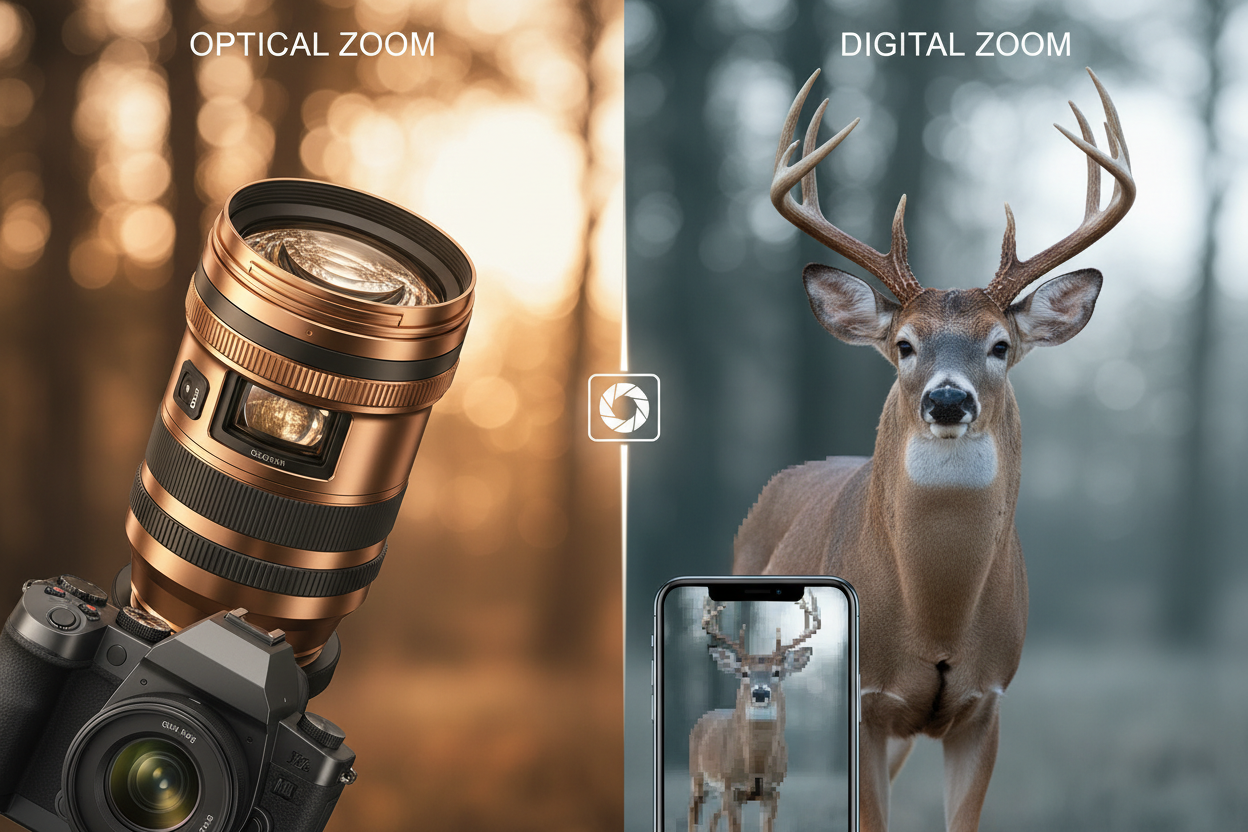
Telephoto cameras provide optical zoom capabilities without sacrificing image quality. While digital zoom simply crops and enlarges the image, optical zoom uses actual lens elements to magnify the subject. For photography enthusiasts who enjoy portrait photography or wildlife shots, a telephoto camera with at least 3x optical zoom is highly beneficial.
Software Features and Computational Photography
Hardware alone doesn’t determine smartphone camera performance. The software processing and computational photography features can dramatically enhance your images and expand your creative options.
Night mode has become a game-changer for mobile photography, allowing smartphones to capture detailed, well-exposed images in extremely low-light conditions. Advanced night modes use multiple exposures and AI processing to reduce noise and enhance details that would be impossible to capture with traditional photography methods.
Portrait mode uses depth sensing and software algorithms to create professional-looking background blur effects. The best implementations offer adjustable blur intensity and accurate edge detection, giving you DSLR-like depth of field control. Some phones even allow you to adjust the blur effect after taking the photo.
HDR (High Dynamic Range) processing helps balance exposure in challenging lighting conditions by combining multiple exposures. Smart HDR systems automatically detect high-contrast scenes and apply appropriate processing without creating the artificial, over-processed look that plagued early HDR implementations.
Manual camera controls appeal to photography enthusiasts who want creative control over their images. Look for phones that offer manual adjustment of ISO, shutter speed, white balance, and focus. Some manufacturers provide dedicated pro modes or even allow RAW file capture for maximum post-processing flexibility.
Video Recording Capabilities
Photography enthusiasts often venture into videography, making video recording capabilities an important consideration when choosing a smartphone. Modern phones offer impressive video features that can satisfy both casual and serious content creators.
4K video recording has become standard on flagship smartphones, but pay attention to frame rate options and stabilization quality. The ability to shoot 4K at 60fps provides smooth motion for action scenes, while excellent stabilization ensures professional-looking handheld footage.
Cinematic video modes, popularized by recent iPhone models, allow you to create shallow depth of field effects in video with smooth focus transitions. These features bring Hollywood-style production values to mobile videography, making them attractive for creative enthusiasts.
Log recording and advanced color profiles give serious videographers more flexibility in post-production. While not essential for everyone, these features allow for professional-grade color grading and editing workflows.
Display Quality for Photo Review and Editing
A high-quality display is crucial for photography enthusiasts who want to accurately review and edit their images on the device. The screen serves as your primary tool for composition, image review, and mobile editing.
Color accuracy matters significantly when evaluating and editing photos. Look for smartphones with displays that support wide color gamuts like DCI-P3 or Adobe RGB. OLED displays typically offer better contrast ratios and more vibrant colors compared to LCD panels, making them preferable for photography applications.
High resolution and pixel density ensure that you can see fine details in your images when zooming in for critical focus evaluation. A display with at least 1080p resolution and high pixel density provides adequate detail for most photography needs.
Brightness levels affect your ability to compose shots in bright outdoor conditions. Phones with peak brightness levels of 800 nits or higher remain visible even in direct sunlight, ensuring you can frame your shots accurately regardless of lighting conditions.
Battery Life and Storage Considerations
Photography sessions can be demanding on your smartphone’s resources, making battery life and storage capacity important practical considerations for enthusiasts who shoot frequently.
Camera usage, especially with features like night mode, video recording, and continuous autofocus, drains battery faster than typical smartphone usage. Look for phones with large battery capacities (4000mAh or higher) and efficient processors that balance performance with power consumption.
Fast charging capabilities become valuable when you’re out shooting and need to quickly top up your battery. Wireless charging adds convenience for overnight charging or when using the phone with tripods and accessories.
Storage requirements for photography enthusiasts can be substantial, especially when shooting in RAW format or recording high-resolution videos. Consider phones with generous base storage (256GB or more) or expandable storage options through microSD cards. Cloud storage integration can also help manage your growing photo library.
Brand Comparisons and Recommendations
Different smartphone manufacturers take varying approaches to mobile photography, each with distinct strengths that appeal to different types of photography enthusiasts.
Apple’s iPhone series consistently delivers excellent overall camera performance with natural color reproduction and reliable consistency across different shooting scenarios. The computational photography features work seamlessly, making iPhones particularly appealing to users who prefer automatic optimization without extensive manual tweaking.
Google Pixel phones excel in computational photography, particularly in challenging lighting conditions. The night sight feature and portrait mode processing often outperform competitors, making Pixel devices ideal for enthusiasts who prioritize software-enhanced photography over raw hardware specifications.
Samsung Galaxy S and Note series offer versatile camera systems with extensive manual controls and features. The cameras typically provide vibrant, eye-catching colors and comprehensive zoom ranges, appealing to enthusiasts who enjoy experimenting with different focal lengths and creative modes.
Other manufacturers like OnePlus, Xiaomi, and Huawei offer compelling alternatives with innovative features and competitive pricing, often providing flagship-level camera performance at more accessible price points.
Budget Considerations and Value Propositions
Photography-focused smartphones span a wide price range, and understanding the value proposition at different price points helps you make an informed decision that balances features with budget constraints.
Flagship smartphones typically offer the most advanced camera hardware and software features but come with premium pricing. These devices are ideal for serious photography enthusiasts who want cutting-edge performance and are willing to invest in the best available technology.
Mid-range smartphones have significantly improved their camera capabilities in recent years, often offering 80-90% of flagship performance at 50-60% of the price. For many photography enthusiasts, these devices provide the best value proposition, delivering excellent image quality without the premium price tag.
Budget smartphones can still satisfy casual photography needs, though they typically compromise on low-light performance, zoom capabilities, and advanced features. However, some budget options surprise with their camera performance, making them viable choices for cost-conscious enthusiasts.
Conclusion
Choosing the perfect smartphone for photography enthusiasts requires balancing multiple factors including camera hardware, software features, display quality, and practical considerations like battery life and storage. The best choice depends on your specific photography interests, shooting style, and budget constraints.
Remember that the most important factor in great photography is the photographer’s skill and creative vision, not just the equipment. While a capable smartphone certainly helps, understanding composition, lighting, and timing will have a greater impact on your photography than any single technical specification.
Take time to research and, if possible, test different smartphones in real-world conditions before making your decision. Read reviews from photography-focused sources, examine sample images, and consider how each device’s strengths align with your photography goals. With the right smartphone in hand, you’ll be well-equipped to capture stunning images and explore your creative potential in mobile photography.