

How Mobile Prices Have Evolved in the Last Decade in Pakistan
In the rapidly changing landscape of technology, the mobile phone industry in Pakistan has witnessed significant transformations over the past decade. From the days of basic feature phones to the current era of high-end smartphones, the evolution of mobile prices in Pakistan tells a captivating story. This journey reflects not only changes in technology but also shifts in consumer behavior, market dynamics, and economic influences.
The Early 2010s: Feature Phones Dominate
At the start of the last decade, feature phones were the primary choice for most Pakistanis. These devices, often equipped with basic functionalities like calling, texting, and simple games, were highly affordable and accessible to a broad segment of the population. The mobile market was dominated by brands like Nokia and Samsung, with prices ranging from PKR 1,500 to PKR 5,000. During this time, owning a mobile phone was more about connectivity than luxury or functionality.
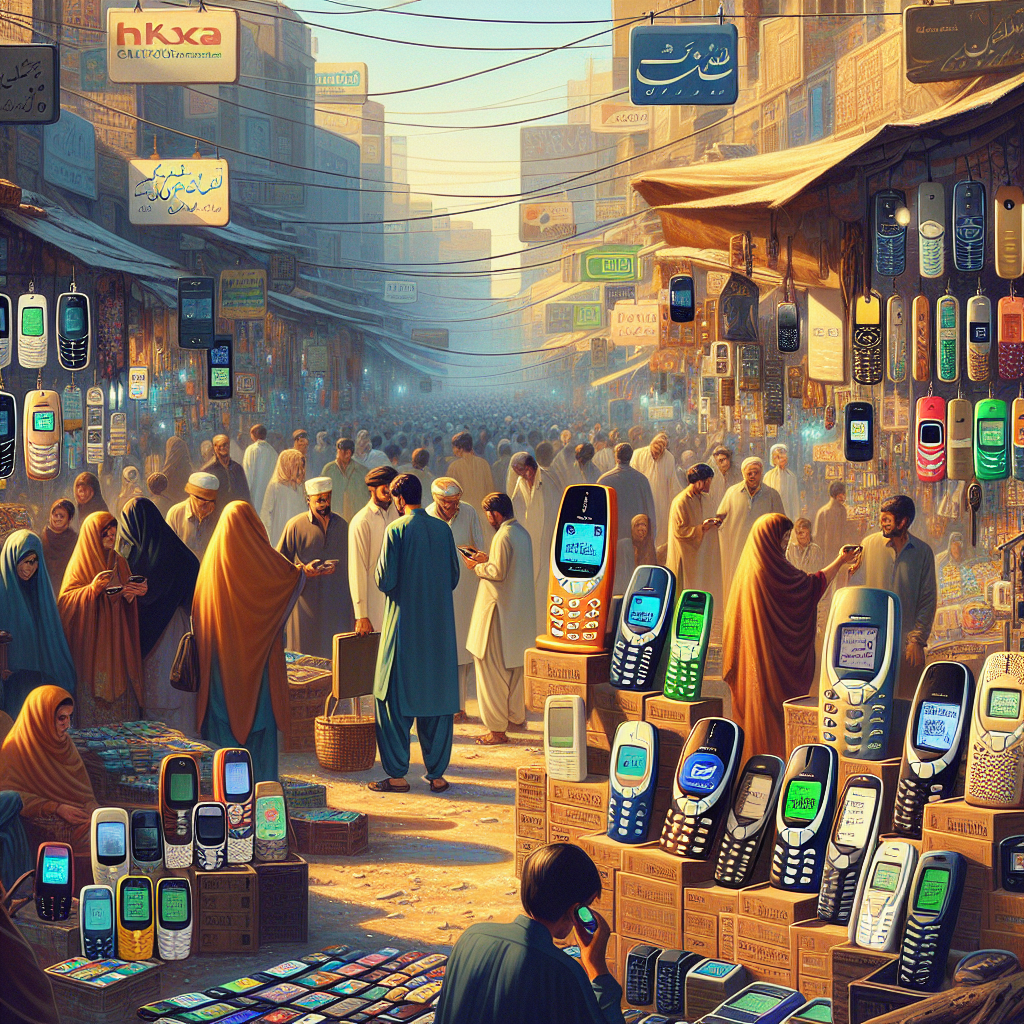
The price point during this period was largely driven by low production costs, minimal features, and limited competition. The focus was on durability and long battery life, catering to the needs of a population that was just beginning to embrace mobile technology.
The Rise of Smartphones: A New Era Begins
As the decade progressed, the introduction of smartphones marked a turning point in the mobile industry in Pakistan. With the emergence of Android and iOS platforms, mobile phones began to offer a wide array of features such as internet browsing, social media access, and multimedia capabilities. This shift brought a significant change in mobile pricing as feature phones started to be replaced by entry-level smartphones.
During this transitional phase, prices saw an upward trend. Entry-level smartphones were priced between PKR 10,000 to PKR 20,000, while mid-range models could go up to PKR 40,000. Brands like QMobile, a local player, gained popularity by offering affordable smartphones with decent features, catering to the growing demand for smart technology.
Mid-2010s: The Boom of Chinese Brands
The mid-2010s witnessed a significant influx of Chinese mobile brands into the Pakistani market. Companies like Huawei, Oppo, Xiaomi, and Vivo brought a new wave of competitive pricing and innovation. These brands introduced smartphones with advanced features such as better cameras, larger displays, and superior processors at affordable prices.
This competition resulted in a broader range of options for consumers, with prices for budget smartphones dropping significantly. It was now possible to purchase a decent smartphone for as low as PKR 15,000, with mid-range options available between PKR 20,000 to PKR 35,000. The aggressive pricing strategies of Chinese brands played a crucial role in making smartphones accessible to a wider audience in Pakistan.
Late 2010s: The Premium Segment Emerges
As consumer preferences evolved, so did the demand for high-end smartphones. By the late 2010s, premium brands such as Apple and Samsung began to establish a stronger foothold in the Pakistani market. These brands introduced flagship models with cutting-edge technology, premium designs, and exclusive features that appealed to tech enthusiasts and status-conscious consumers.
The prices in this segment saw a significant increase, with flagship models from Apple and Samsung reaching upwards of PKR 100,000. Despite the high prices, there was a growing segment of consumers willing to invest in these devices, driven by the allure of owning the latest technology and the status associated with premium brands.
The Impact of Economic Factors
The evolution of mobile prices in Pakistan has also been influenced by various economic factors. Currency fluctuations, import taxes, and regulatory changes have all played a role in shaping the mobile market. For instance, the depreciation of the Pakistani Rupee in recent years has led to increased prices for imported smartphones, impacting affordability for many consumers.
Moreover, government initiatives like the introduction of mobile manufacturing policies have encouraged local production, which is expected to influence pricing dynamics positively in the future. As local manufacturing capabilities improve, there is potential for more competitive pricing and increased accessibility to mobile technology.
Conclusion: A Decade of Transformation
The last decade has been a transformative period for the mobile phone industry in Pakistan. From basic feature phones to sophisticated smartphones, the evolution of mobile prices reflects not only technological advancements but also changing consumer expectations and market dynamics. As we look forward, the future holds promise for even more innovation and accessibility, driven by technological advancements and strategic policies aimed at fostering local manufacturing.
The story of mobile price evolution in Pakistan is one of adaptation and growth, shaped by a blend of external influences and internal market shifts. As technology continues to advance, the mobile industry in Pakistan is poised to further evolve, offering consumers an even broader array of choices and experiences.