
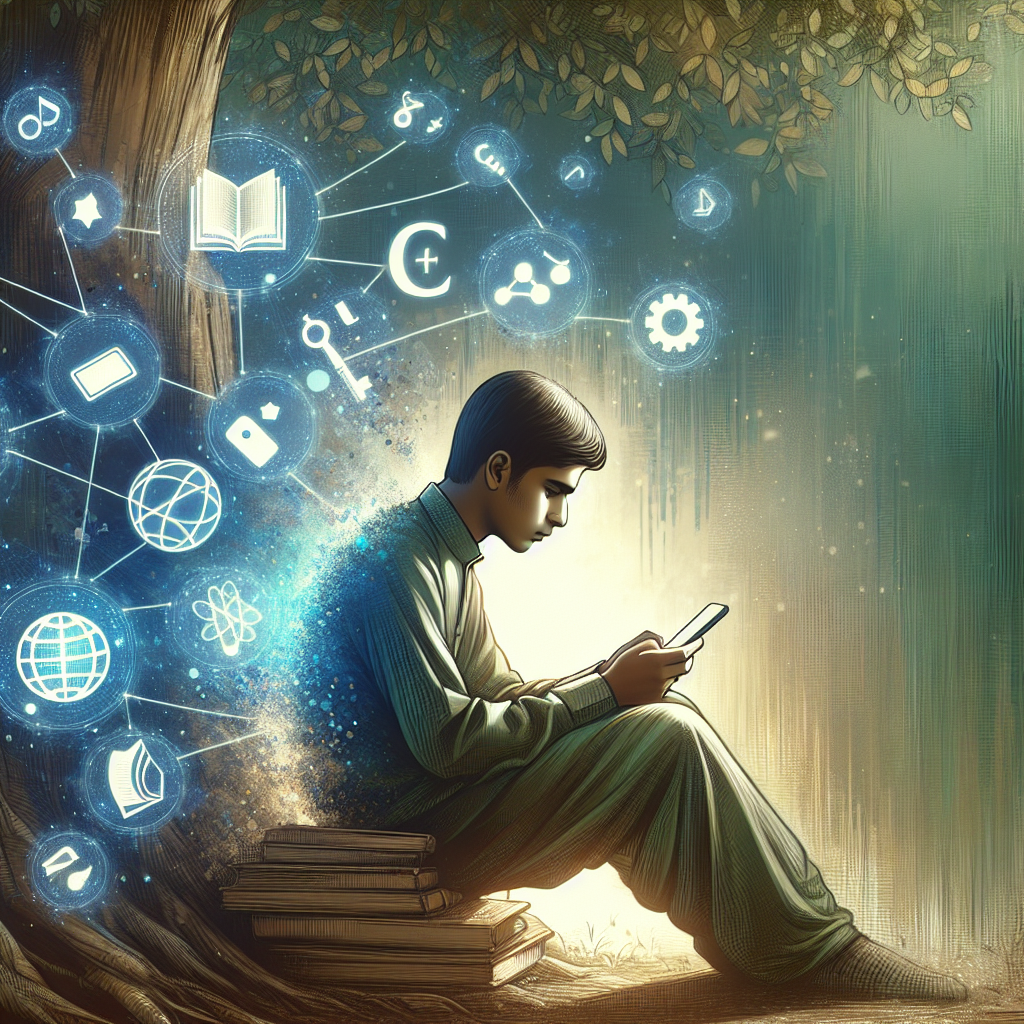
The Role of Mobile Phones in Education in Pakistan
The use of mobile phones in education has become increasingly prevalent worldwide, and Pakistan is no exception. As technology continues to evolve, mobile phones have emerged as a powerful tool in bridging educational gaps, especially in developing countries like Pakistan. This blog post explores the multifaceted role of mobile phones in education within Pakistan, highlighting their benefits, challenges, and future potential.
Introduction to Mobile Learning in Pakistan
In recent years, mobile phones have transitioned from being mere communication devices to becoming essential educational tools. With the rise of smartphones and increased internet accessibility, students in Pakistan can now access a wealth of information at their fingertips. However, the integration of mobile phones in education is not without its challenges. Let’s delve deeper into how mobile phones are reshaping the educational landscape in Pakistan.
Enhancing Access to Education
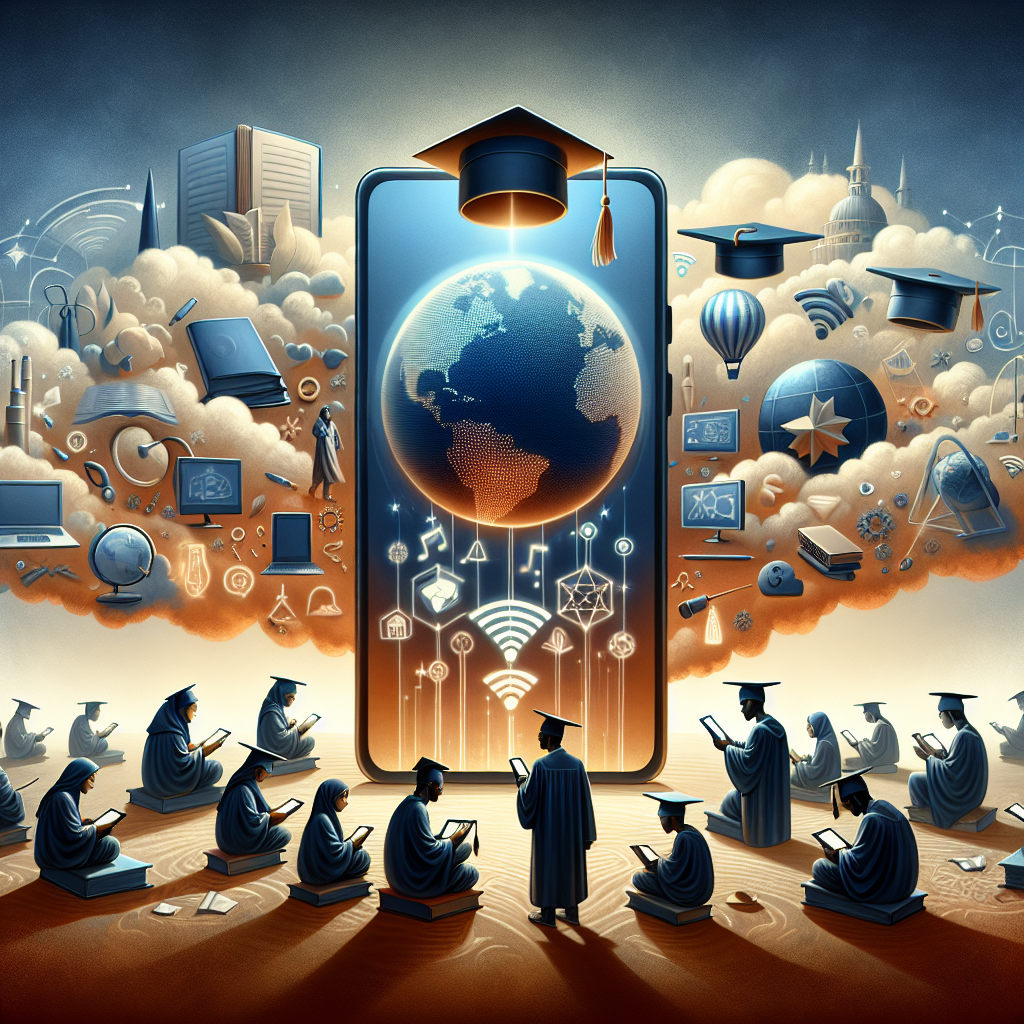
One of the most significant advantages of mobile phones in education is their ability to enhance access to learning resources. In Pakistan, where educational infrastructure may be lacking in rural areas, mobile phones serve as a lifeline for students striving for knowledge. Through educational apps, e-books, and online courses, students can access high-quality educational content irrespective of their geographical location.
Moreover, mobile phones facilitate distance learning, enabling students to attend virtual classes and participate in online discussions. This flexibility is particularly beneficial for students who might otherwise face barriers to attending traditional schools, such as those in remote areas or with disabilities.
Fostering Interactive Learning
Mobile phones have transformed the traditional passive learning model into an interactive experience. Educational apps and platforms incorporate multimedia elements such as videos, quizzes, and games, making learning more engaging and effective. Students can also collaborate on group projects through messaging apps and social media platforms, fostering a sense of community and teamwork.
For teachers, mobile phones offer a convenient way to share educational materials and conduct assessments. Apps like WhatsApp and Google Classroom have become popular tools for assigning homework, sharing feedback, and maintaining communication with students and parents.
Overcoming Language Barriers
Pakistan is a linguistically diverse country with several regional languages. Mobile phones can help overcome language barriers by providing educational content in multiple languages. Many educational apps offer translations and voiceovers, allowing students to learn in their preferred language. This inclusivity ensures that language does not become a hurdle in accessing quality education.
Challenges and Concerns
Despite the numerous benefits, the integration of mobile phones in education in Pakistan is not without challenges. One of the primary concerns is the digital divide. Not all students have access to smartphones or reliable internet connections, leading to disparities in educational opportunities. Addressing this issue requires concerted efforts from the government and private sector to improve digital infrastructure and provide affordable mobile devices.
Another concern is the potential for distraction. With social media and entertainment apps just a click away, students may find it challenging to stay focused on their studies. Educators and parents need to guide students in using their mobile devices responsibly and setting boundaries to minimize distractions.
Future Prospects of Mobile Learning in Pakistan
Looking ahead, the future of mobile learning in Pakistan appears promising. As technology continues to advance, mobile phones will likely play an even more significant role in education. Initiatives to provide free or subsidized smartphones and internet access to students could further democratize education and reduce the digital divide.
Moreover, the development of localized educational content tailored to the needs of Pakistani students will enhance the effectiveness of mobile learning. By collaborating with tech companies and educational institutions, Pakistan can harness the full potential of mobile phones to improve educational outcomes across the country.
Conclusion
Mobile phones are revolutionizing education in Pakistan by enhancing access, fostering interactive learning, and overcoming language barriers. While challenges such as the digital divide and potential distractions exist, the benefits of mobile learning are undeniable. By addressing these challenges and embracing the opportunities, Pakistan can harness the power of mobile phones to create a more inclusive and equitable educational system for all its students.
As we move forward, it’s crucial for stakeholders in education and technology to work together to ensure that mobile learning continues to grow and thrive, ultimately contributing to a brighter future for Pakistan’s youth.