
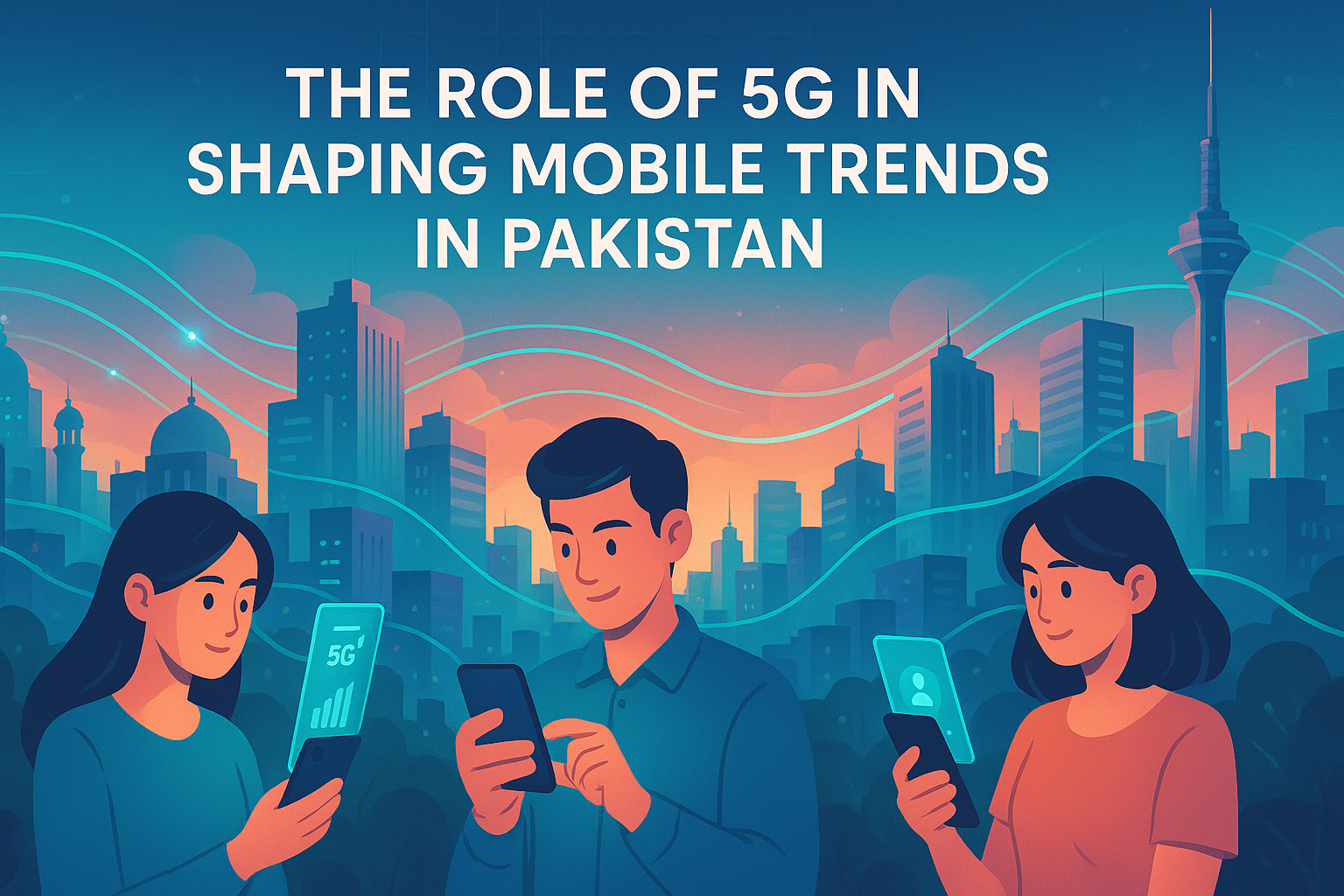
The Role of 5G in Shaping Mobile Trends in Pakistan
In recent years, the technological landscape in Pakistan has undergone a significant transformation, with mobile technology leading the charge. At the heart of this evolution is the advent of 5G technology, which holds the promise of revolutionizing how we communicate, work, and live. But what does the future hold for mobile trends in Pakistan as 5G becomes more widespread? Let’s explore how this cutting-edge technology is set to reshape the mobile experience in the country.
Understanding 5G Technology
Before delving into its impact, it’s essential to understand what 5G technology entails. Essentially, 5G is the fifth generation of mobile networks, succeeding the previous generations such as 4G LTE. It is designed to connect virtually everyone and everything, including machines, objects, and devices. The key benefits of 5G include faster internet speeds, lower latency, and an increased capacity to support more connected devices simultaneously.
Enhanced Mobile Connectivity
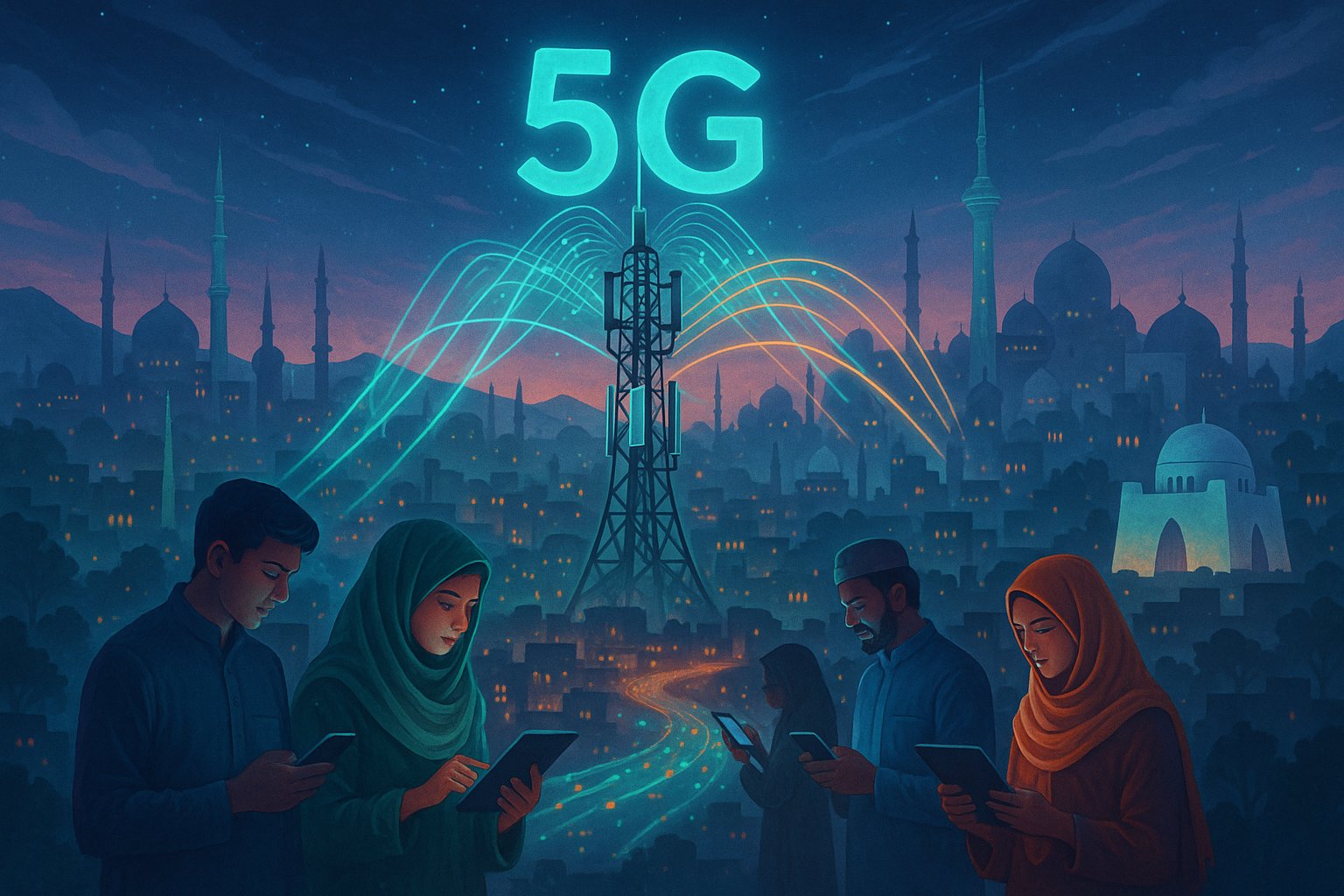
One of the most immediate impacts of 5G in Pakistan is the enhancement of mobile connectivity. With the ability to deliver speeds up to 100 times faster than 4G, 5G will allow users to download movies in seconds and stream high-definition video without buffering. This improved connectivity will not only enhance personal entertainment options but also bolster remote working and learning environments, making them more efficient and accessible.
Emergence of Smart Cities
5G technology is a crucial enabler for the development of smart cities in Pakistan. These are urban areas that use different types of electronic methods and sensors to collect data, which is then used to efficiently manage resources, services, and infrastructure. With 5G’s ability to handle massive amounts of data in real-time, smart cities can become a reality, optimizing everything from traffic management to energy consumption. This transition is expected to improve the quality of life for urban residents significantly.
Innovative Healthcare Solutions
The healthcare sector in Pakistan is poised to benefit immensely from 5G technology. With its low latency and high reliability, 5G can facilitate remote surgeries and consultations, providing access to healthcare services in remote and underserved areas. Moreover, it will support the use of wearable devices and IoT in healthcare, enabling continuous monitoring of patients and more personalized treatment plans.
Boosting the Economy
The introduction of 5G is also expected to give a significant boost to Pakistan’s economy. By enhancing mobile broadband services, it will open up new opportunities for businesses to innovate and expand. The technology sector, in particular, stands to gain, with startups and tech companies finding new avenues for growth and investment. Furthermore, the increased efficiency and productivity brought about by 5G can contribute to the overall economic development of the country.
Challenges and Considerations
While the potential benefits of 5G in Pakistan are immense, several challenges must be addressed. These include the high cost of infrastructure development, the need for regulatory frameworks, and concerns about data security and privacy. Additionally, ensuring that rural and remote areas are not left behind in the 5G rollout is crucial for achieving equitable development.
Conclusion
The role of 5G in shaping mobile trends in Pakistan is both transformative and multifaceted. As the country embraces this new era of connectivity, it is poised to unlock unprecedented opportunities for innovation, economic growth, and social development. However, realizing the full potential of 5G will require concerted efforts from the government, private sector, and stakeholders to overcome challenges and ensure that all Pakistanis benefit from this technological revolution. As we stand on the brink of this exciting future, the possibilities seem endless, and the journey is just beginning.