
The Impact of Mobile Phones on Daily Life in Pakistan
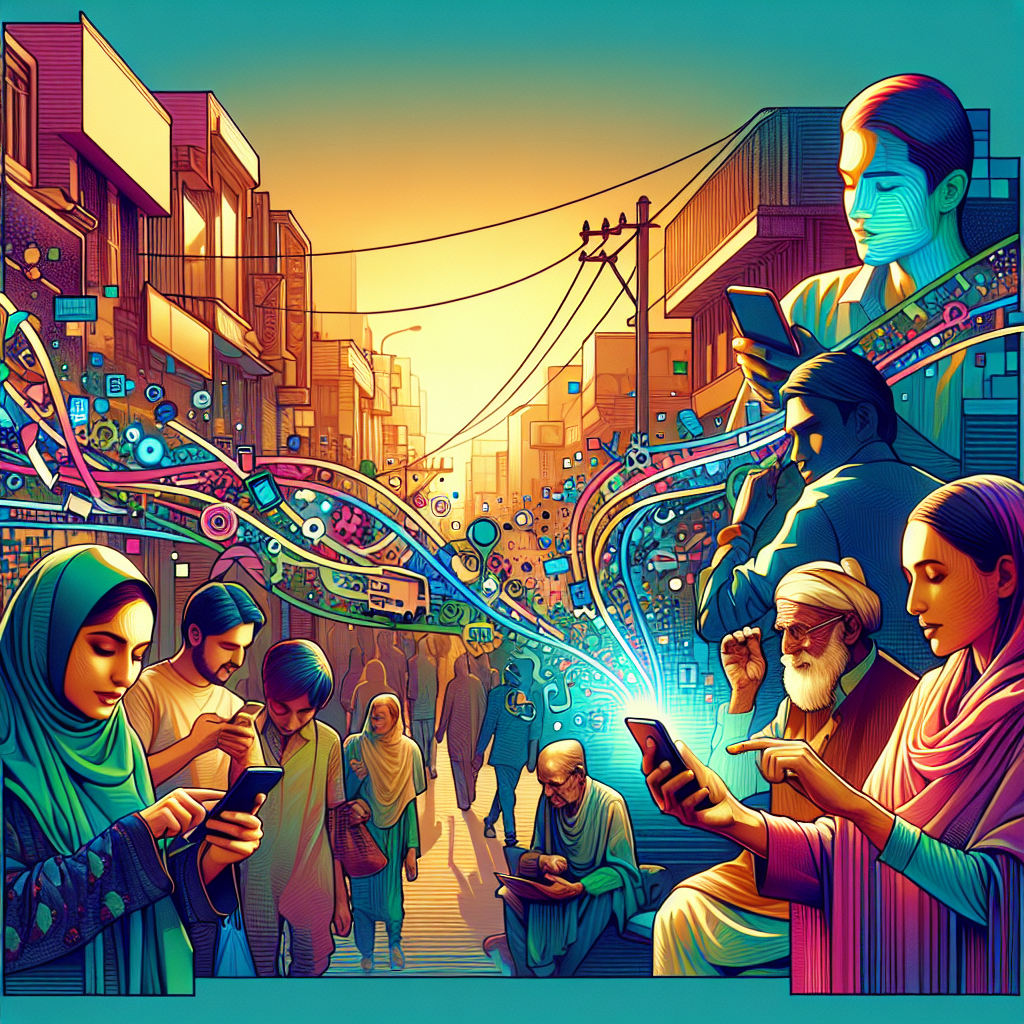
In recent years, mobile phones have become an integral part of daily life in Pakistan, dramatically transforming how people communicate, work, and access information. With the increasing penetration of smartphones and the expansion of mobile networks, the impact of mobile phones is being felt across various aspects of everyday life. This blog post delves into the profound influence of mobile phones on daily life in Pakistan, exploring both the positive and negative effects.
Communication Revolution
Mobile phones have revolutionized communication in Pakistan, bridging the gap between urban and rural areas. Before the advent of mobile technology, communication was limited to landlines and postal services, which were often unreliable and inaccessible for many. Today, even individuals in remote villages can easily connect with family and friends across the globe.
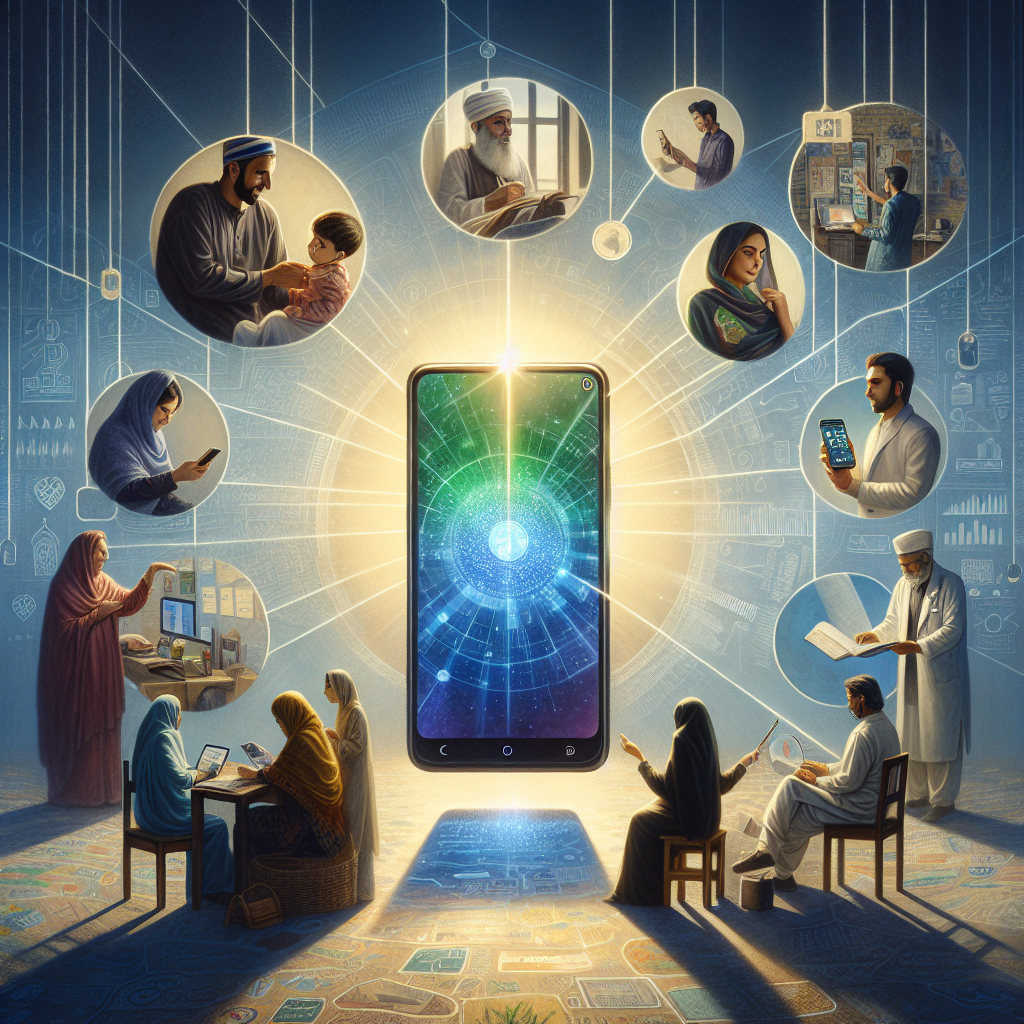
The ease of communication has strengthened familial and social bonds. People can now share important moments, whether it’s a wedding in Lahore or a birthday in Karachi, with just a few taps. Additionally, social media platforms like WhatsApp and Facebook Messenger have become indispensable tools for staying connected, further enhancing the communication landscape in Pakistan.
Economic Empowerment
The role of mobile phones in economic empowerment is significant. With the rise of e-commerce and online marketplaces, Pakistani entrepreneurs and small businesses have found new avenues to reach customers. Platforms like Daraz and OLX have opened up opportunities for people to sell products and services without the need for a physical store.
Moreover, mobile banking has made financial transactions more accessible to the unbanked population. Services like JazzCash and Easypaisa allow users to send money, pay bills, and even receive salaries through their mobile phones, bringing financial inclusion to those who previously had limited access to banking services.

Education and Learning
Mobile phones have also had a profound impact on education in Pakistan. With the availability of educational apps and online courses, students now have access to a wealth of information at their fingertips. This has been particularly beneficial for students in rural areas, where educational resources are often scarce.
During the COVID-19 pandemic, mobile phones became essential for remote learning, ensuring that education continued despite school closures. Platforms like Google Classroom and Zoom made it possible for teachers to conduct classes online, demonstrating the crucial role of mobile technology in the education sector.
Healthcare Accessibility
Access to healthcare in Pakistan has been enhanced through mobile technology. Telemedicine services have emerged, allowing patients to consult doctors remotely, which is particularly valuable in rural areas where healthcare facilities are limited. Mobile apps like Sehat Kahani connect patients with healthcare professionals, providing a convenient and cost-effective solution for medical consultations.
Furthermore, mobile phones are used for health awareness campaigns, spreading crucial information about vaccinations, maternal health, and preventive measures, thus playing a key role in improving public health outcomes.
Challenges and Concerns
While mobile phones have brought numerous benefits, there are also challenges and concerns associated with their widespread use. One major issue is the digital divide, as not everyone has equal access to mobile technology. Socioeconomic disparities mean that some people, particularly in rural areas, still lack access to affordable smartphones and mobile internet.
Moreover, the overuse of mobile phones has raised concerns about mental health, with issues such as addiction and reduced attention spans being highlighted. Privacy and security risks, including data breaches and cybercrime, are also significant concerns that need to be addressed to ensure safe mobile usage.
Conclusion
In conclusion, mobile phones have undeniably transformed daily life in Pakistan, offering significant advantages in communication, economic empowerment, education, and healthcare. While there are challenges to overcome, particularly in terms of access and security, the benefits of mobile technology are hard to ignore. As the country continues to embrace digital innovation, the role of mobile phones will undoubtedly grow, further shaping the social and economic landscape of Pakistan. For individuals and businesses alike, understanding and harnessing the power of mobile technology is crucial for future growth and development.