
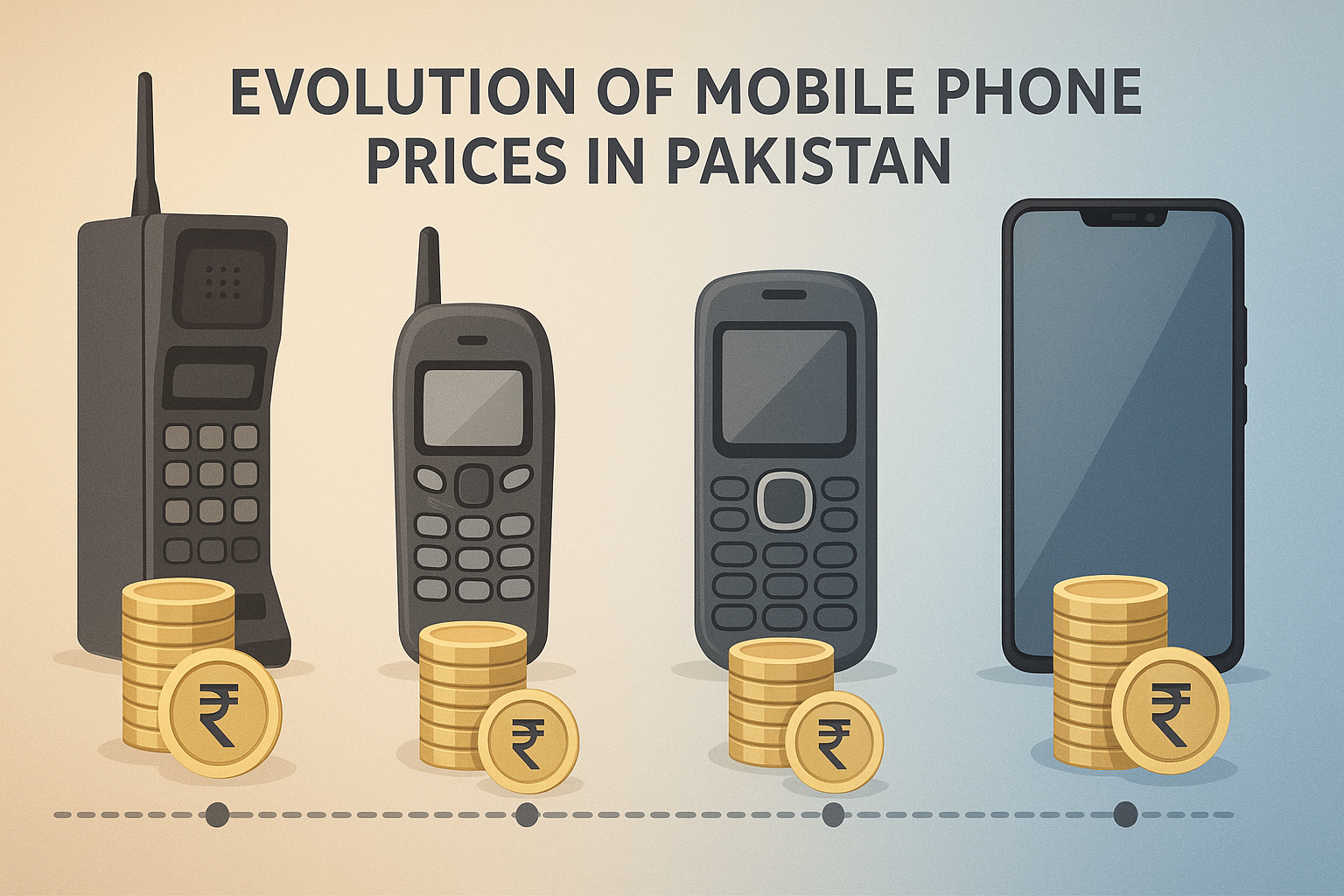
The Evolution of Mobile Phone Prices in Pakistan Over the Years
In the fast-paced world of technology, mobile phones have become an essential part of our daily lives. From making calls and sending texts to navigating the internet and capturing memories, these devices have revolutionized the way we connect and communicate. In Pakistan, the mobile phone market has seen significant changes over the years, particularly in terms of pricing. This blog post explores the evolution of mobile phone prices in Pakistan, tracing the journey from the early days of mobile technology to the present.
A Glimpse into the Past: The Early Days of Mobile Phones
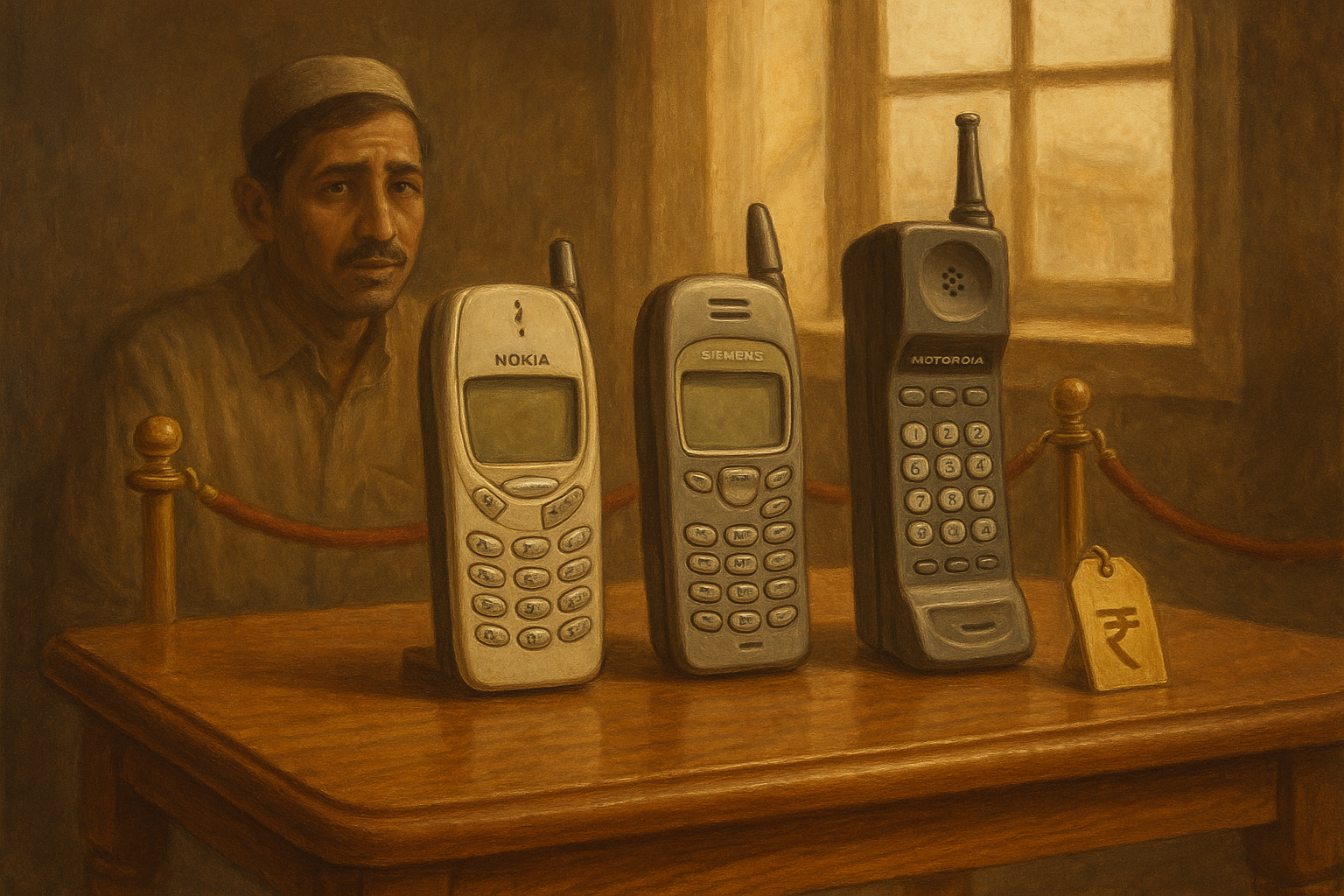
In the late 1990s and early 2000s, mobile phones in Pakistan were considered luxury items, accessible only to a select few. Back then, the industry was dominated by brands like Nokia, Siemens, and Motorola. These companies offered basic handsets with limited features, primarily focused on voice calls and SMS. The prices of these devices were relatively high, often exceeding the average monthly income of an average Pakistani worker.
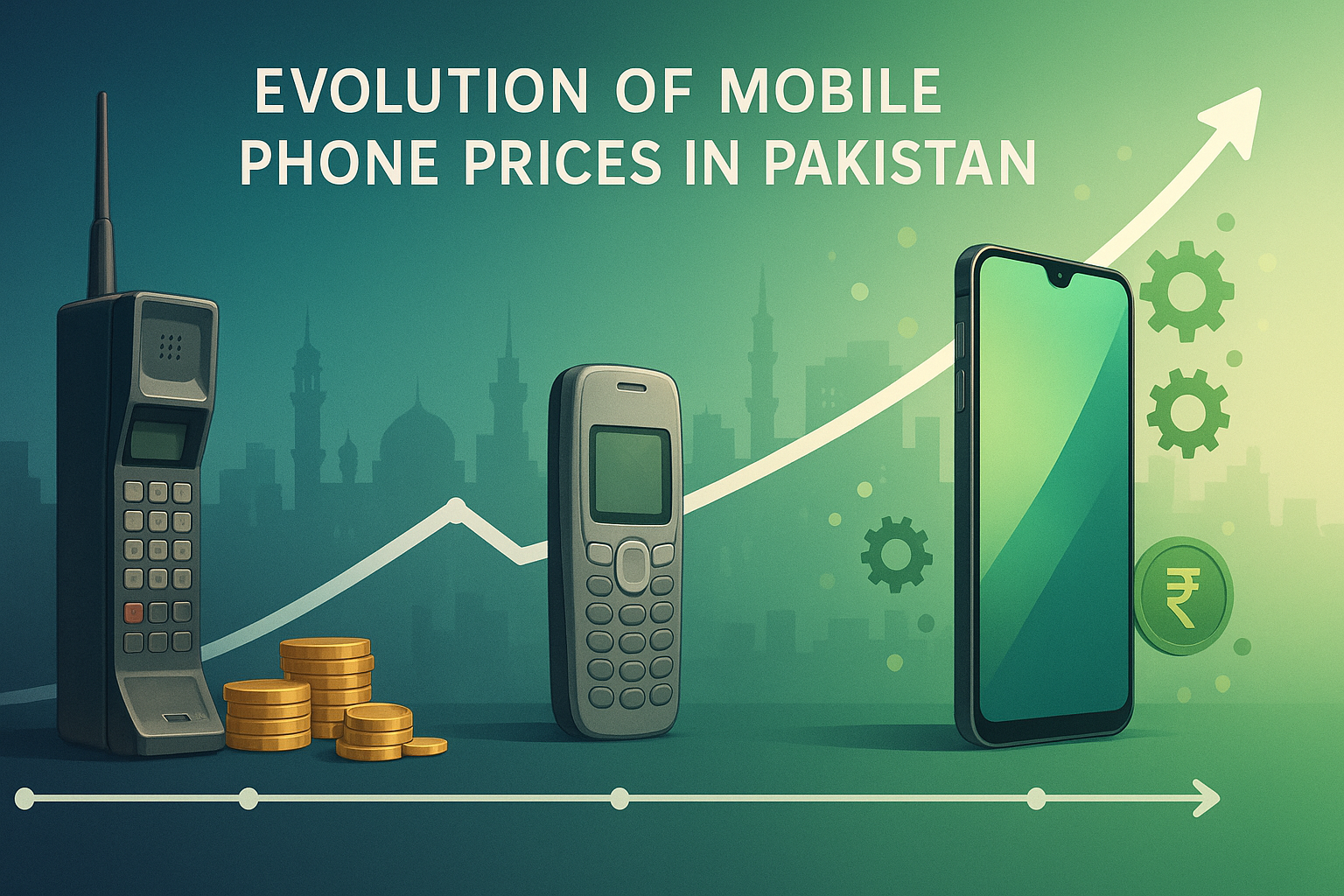
The mobile phone market was nascent, and the high cost was a significant barrier to widespread adoption. Despite this, the allure of owning a mobile phone was strong, and many people saved up for months to purchase these devices. The excitement of being able to communicate on the go was unparalleled, even if the technology was rudimentary by today’s standards.
Mid-2000s: The Introduction of Affordable Options
As technology advanced, mobile phone manufacturers began to introduce more affordable models. Companies like Nokia continued to dominate, but new players such as Samsung and LG entered the market, bringing with them innovative designs and features. The introduction of low-cost handsets made mobile phones more accessible to the masses, leading to a significant increase in mobile phone ownership across Pakistan.
During this period, the Pakistani government and telecom companies also played a crucial role in expanding mobile network coverage, further boosting the demand for mobile phones. Prepaid services became popular, allowing users to control their spending and making mobile communication more accessible to a broader audience.
The Smartphone Revolution: A New Era of Mobile Technology
The late 2000s and early 2010s marked the beginning of the smartphone era. Apple’s iPhone and various Android devices revolutionized the mobile phone market with their advanced features, including internet access, touchscreens, and a wide array of applications. Initially, smartphones were expensive, catering to tech enthusiasts and higher-income individuals.
However, as technology advanced, prices began to decline. Companies such as Huawei, Xiaomi, and OPPO entered the Pakistani market, offering affordable smartphones with impressive features. This competition drove down prices, making smartphones accessible to a larger segment of the population.
Current Trends: A Diverse Market with Options for Everyone
Today, the mobile phone market in Pakistan is diverse, offering something for everyone. From budget-friendly feature phones to high-end smartphones, the options are vast. The competition among global and local brands has resulted in competitive pricing, ensuring that consumers have access to the latest technology without breaking the bank.
The rise of e-commerce platforms has further democratized access to mobile phones, allowing consumers to compare prices and features easily. Additionally, the availability of installment plans and trade-in programs has made it easier for people to upgrade to newer models.
The Impact of Economic Factors on Mobile Phone Prices
While the mobile phone market in Pakistan has become more accessible, economic factors continue to play a significant role in influencing prices. The fluctuation of the Pakistani Rupee against major currencies, import duties, and taxes can affect the cost of mobile phones. Despite these challenges, the demand for mobile phones remains strong, driven by a tech-savvy population eager to stay connected.
The Future of Mobile Phone Pricing in Pakistan
Looking ahead, the future of mobile phone pricing in Pakistan appears promising. As technology continues to advance, we can expect more innovative features at competitive prices. The increasing adoption of 5G technology and the continued expansion of mobile networks will further enhance the mobile experience for users.
Moreover, with initiatives focused on local manufacturing and assembly, there is potential for further price reductions, making mobile phones even more accessible to the general population. The focus on digital transformation and the growing importance of mobile technology in various sectors will continue to drive demand and influence pricing trends.
Conclusion
The evolution of mobile phone prices in Pakistan is a testament to the transformative power of technology and market dynamics. From being luxury items to becoming everyday necessities, mobile phones have come a long way. The journey has been marked by innovation, competition, and economic considerations, all contributing to the diverse and dynamic market we see today. As we move forward, the mobile phone industry in Pakistan is poised to continue its growth, offering exciting opportunities for consumers and businesses alike.