
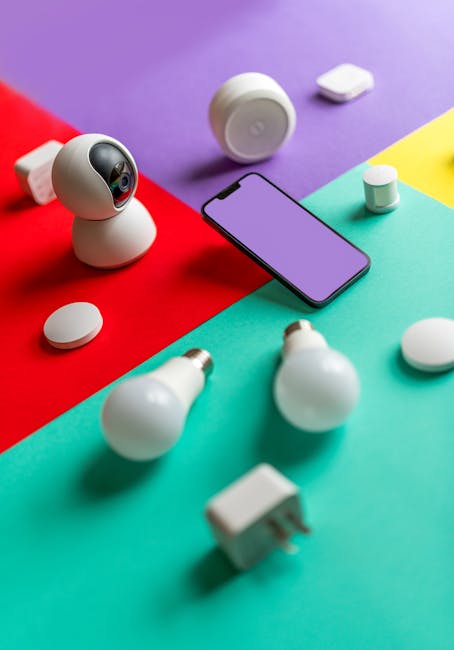
Smart Home Devices: Integrating Mobiles for a Seamless Experience
In today’s fast-paced world, convenience and efficiency have become paramount. As technology continues to evolve, our homes are getting smarter, offering us unprecedented control over our living environments. At the heart of this revolution is the integration of smart home devices with our mobile phones, creating a seamless experience that enhances our daily lives. But how exactly do mobile devices integrate with smart home systems, and what benefits do they offer? Let’s dive into the world of smart home technology and explore the possibilities.
The Rise of Smart Home Technology
The concept of a smart home may have seemed like a futuristic dream just a few decades ago, but today, it is a reality for many. Smart homes are equipped with network-connected products that allow homeowners to control and monitor various systems remotely. From smart thermostats and lighting to security cameras and smart speakers, these devices are designed to improve comfort, efficiency, and security.
The integration of mobile devices with smart home technology has been a game-changer. Our smartphones have become remote controls for our homes, putting the power to manage our environments right at our fingertips. But what exactly does this integration entail, and how does it work?
How Mobile Integration Enhances Smart Home Devices
Mobile devices act as central hubs for managing smart home systems. Here’s how they enhance the functionality of smart home devices:
Control at Your Fingertips
One of the most significant advantages of integrating mobiles with smart home devices is the ability to control them from anywhere. Whether you’re lounging on your couch or halfway across the world, your smartphone gives you instant access to your home’s systems. Forgot to turn off the lights before leaving for vacation? No problem—just open your smart home app and switch them off remotely.
Personalized Automation
Smart home devices offer customization options that can be tailored to fit your lifestyle. Mobile apps allow you to set schedules for various devices, creating a personalized automation experience. Want your coffee maker to start brewing at 7 a.m. every morning? Simply set up a routine in your app. These automated actions can help streamline your daily tasks and even save energy by ensuring devices only run when needed.
Real-Time Monitoring and Alerts
Mobile integration provides real-time monitoring of your home. With the help of security cameras and sensors, you can keep an eye on your property and receive instant alerts if anything unusual occurs. Whether it’s a motion detector notifying you of unexpected movement or a smart smoke detector alerting you to potential danger, your mobile device ensures you’re always informed and can take action promptly.
Voice Control Compatibility
Many smart home devices are compatible with voice assistants such as Google Assistant, Amazon Alexa, and Apple’s Siri. This means you can control your home with simple voice commands, offering an added layer of convenience. Whether you want to dim the lights, adjust the thermostat, or play your favorite playlist, your voice can make it happen, all thanks to mobile integration.
Challenges and Considerations
While the integration of mobiles with smart home devices presents numerous benefits, there are also some challenges and considerations to keep in mind:
Security Concerns
With increased connectivity comes the risk of security breaches. It’s crucial to ensure that your smart home network is secure, using strong passwords and keeping your software up to date. Regularly reviewing app permissions and being cautious about the information you share can also help protect your privacy.
Compatibility Issues
Not all smart home devices are compatible with every mobile platform. Before investing in new technology, it’s essential to ensure that the devices you choose can seamlessly integrate with your existing systems. Researching compatibility and reading user reviews can save you from potential headaches down the line.
Initial Setup and Learning Curve
Setting up smart home devices and learning how to use their mobile apps can be daunting for some. It requires time and patience to configure the systems to your preferences. However, most manufacturers provide user-friendly guides and customer support to assist with the process.
The Future of Smart Homes and Mobile Integration
The future of smart homes looks promising, with technology advancing at an incredible pace. As artificial intelligence and machine learning continue to evolve, we can expect even more intuitive and predictive smart home systems. Imagine a home that understands your preferences and automatically adjusts settings to create the perfect environment without your intervention.
Moreover, the integration of mobiles with smart home devices will likely become even more seamless. Enhanced connectivity and faster internet speeds will enable real-time control and monitoring, making smart homes more efficient and user-friendly than ever before.
Conclusion
The integration of smart home devices with mobile technology is transforming the way we interact with our living spaces. From enhanced control and automation to real-time monitoring and voice compatibility, the benefits are vast and varied. While there are challenges to consider, the advantages far outweigh the drawbacks, making smart homes a worthwhile investment for those seeking convenience and efficiency in their daily lives.
As technology continues to evolve, embracing mobile-integrated smart homes can pave the way for a more connected and effortless lifestyle. Whether you’re tech-savvy or just starting on your smart home journey, the possibilities are endless, promising a future where your home truly works for you.