
How to Spot Fake Mobile Phones in the Market
In this digital age, mobile phones have become indispensable tools in our daily lives. With the increasing demand for advanced smartphones, the market has also seen a rise in counterfeit devices. Fake mobile phones can be convincing at first glance, but they often lack the quality and reliability of genuine products. In this guide, we’ll explore how to spot fake mobile phones in the market, ensuring you get the real deal every time.
Understanding the Threat of Fake Mobile Phones
The proliferation of fake mobile phones poses a significant challenge for consumers. These counterfeit devices not only undermine brand reputation but can also lead to security risks, poor performance, and a lack of warranty support. Whether you’re buying a phone online or in-store, being able to identify a fake can save you time, money, and frustration.
Check the Packaging and Accessories
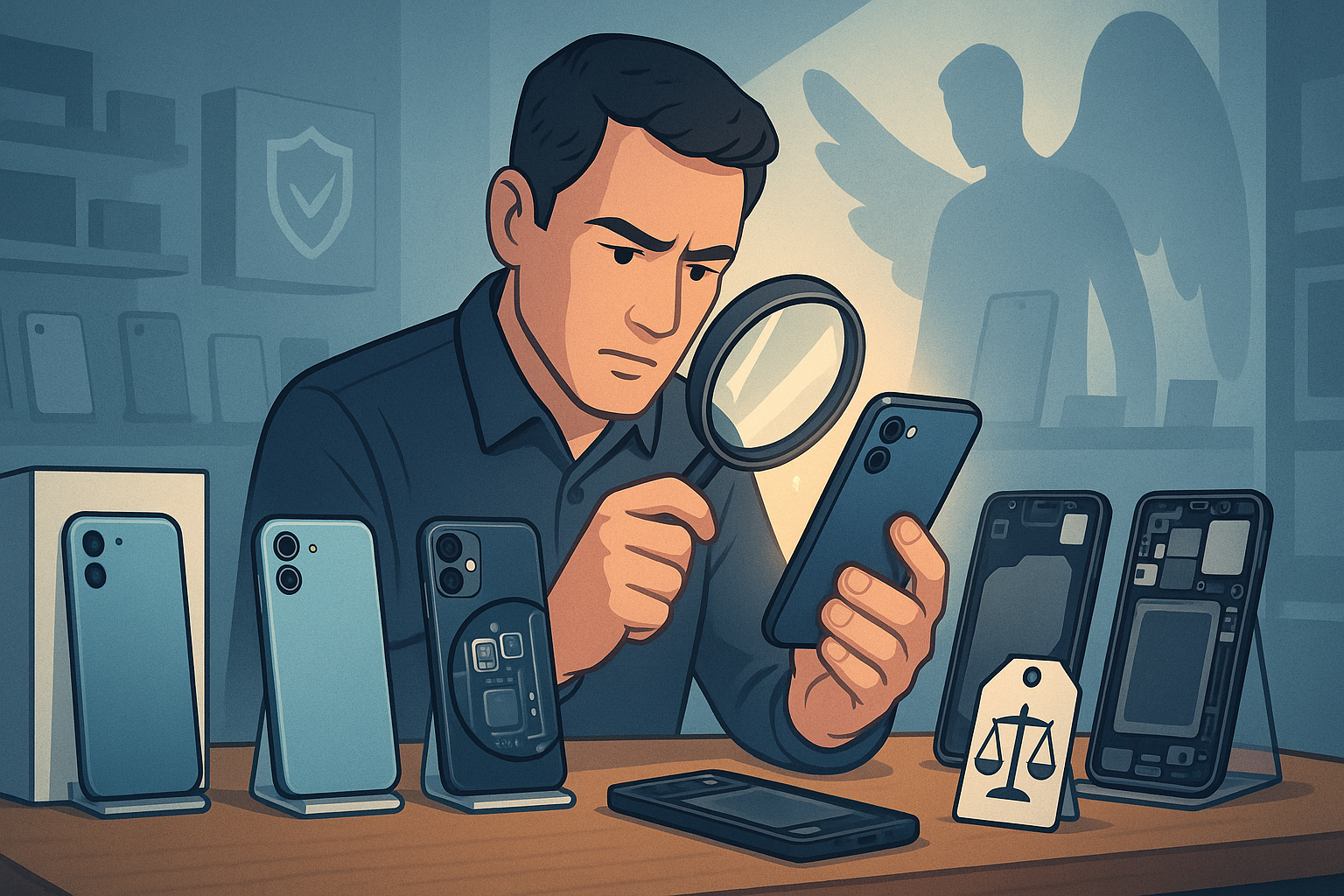
One of the first clues that a phone might be fake is the packaging. Genuine phones typically come in sturdy, well-designed boxes with the manufacturer’s logo clearly printed. If the packaging seems flimsy, misspelled, or lacks essential information like model numbers, this could be a red flag. Additionally, check the accessories included. Authentic products usually come with high-quality chargers, earphones, and manuals. If these items appear cheap or are missing, be cautious.
Examine the Build Quality
Fake phones often use subpar materials to cut costs. When inspecting a phone, pay attention to the weight, finish, and feel of the device. Authentic smartphones often have a premium feel, with weight evenly distributed. Counterfeits might feel lighter, with loose buttons or uneven seams. Also, look for official logos and branding—these should be crisp and clear, not smudged or faded.
Verify the Operating System
Another critical aspect to check is the phone’s operating system (OS). Fake phones may run on outdated or modified versions of Android or iOS. Navigate to the settings and check the system information. Compare it with the manufacturer’s official specifications online. If the OS version doesn’t match or seems off, this could be a sign of a counterfeit.
Inspect the Display Quality
The display is one of the most telling features of a smartphone. Genuine phones boast vibrant, high-resolution screens. Test the display by observing the color quality, brightness, and touch responsiveness. Fake phones might have dull screens with poor resolution and laggy touch response. Viewing angles can also reveal discrepancies; authentic displays maintain color and clarity even when viewed from the side.
Test the Camera Performance
Cameras are a major selling point for modern smartphones. To spot a fake, take a few test photos and videos. Authentic devices should produce sharp, clear images with accurate colors. Fake phones often have inferior sensors resulting in grainy, blurry, or discolored photos. Check the camera app for features like night mode or portrait mode—missing or malfunctioning features can indicate a counterfeit.
Run Performance Checks
Performance benchmarks can help differentiate a genuine phone from a fake one. Use apps like Geekbench or Antutu to test the device’s processing power and graphics capabilities. Compare the results to the expected performance of the genuine model. If the scores are significantly lower, it could indicate a fake or a device with downgraded hardware.
Confirm the IMEI Number
The International Mobile Equipment Identity (IMEI) number is a unique identifier for every mobile phone. To verify authenticity, locate the IMEI number on the device or its packaging and cross-check it with the number displayed in the phone’s settings. You can also visit the manufacturer’s website to verify the IMEI. Discrepancies or invalid numbers are strong indicators of a counterfeit.
Purchase from Reputable Sources
To minimize the risk of buying a fake phone, always purchase from authorized retailers or the manufacturer’s official website. Avoid deals that seem too good to be true on auction sites or third-party sellers. While it might be tempting to grab a bargain, the risks often outweigh the savings. Buying from reputable sources ensures you receive a genuine product with warranty coverage.
Conclusion
Spotting fake mobile phones requires a keen eye and a bit of due diligence. By knowing what to look for—from packaging and build quality to performance and IMEI verification—you can protect yourself from counterfeit devices. Always prioritize quality and authenticity over price, and remember that reputable sellers are your best bet for genuine products. Stay informed, stay vigilant, and enjoy peace of mind with your next mobile phone purchase.