

How to Choose a Mobile Phone for Video Editing
In today’s fast-paced digital world, creating high-quality video content on the go is more accessible than ever, thanks to advancements in mobile technology. Whether you’re a budding filmmaker, a social media influencer, or just someone who enjoys editing videos for fun, having a reliable mobile phone for video editing can make a world of difference. But with so many options available, how do you choose the right one? This guide will walk you through the essential features to consider when selecting a mobile phone for video editing.
Understanding the Importance of Processor Power
When it comes to video editing, the processor is the heart of your mobile phone. It determines how smoothly your device can handle heavy tasks. Look for phones with powerful processors like the latest Snapdragon or Apple’s Bionic chips. These processors are designed to manage high-intensity tasks, ensuring that your editing apps run smoothly without lag.
A strong processor not only improves the speed of editing but also enhances rendering times. This means you can export your video projects faster, giving you more time to focus on creativity rather than waiting for your device to catch up. So, when shopping for a phone, always check the processor specifications and opt for the most recent models if your budget allows.
Evaluating Display Quality and Size
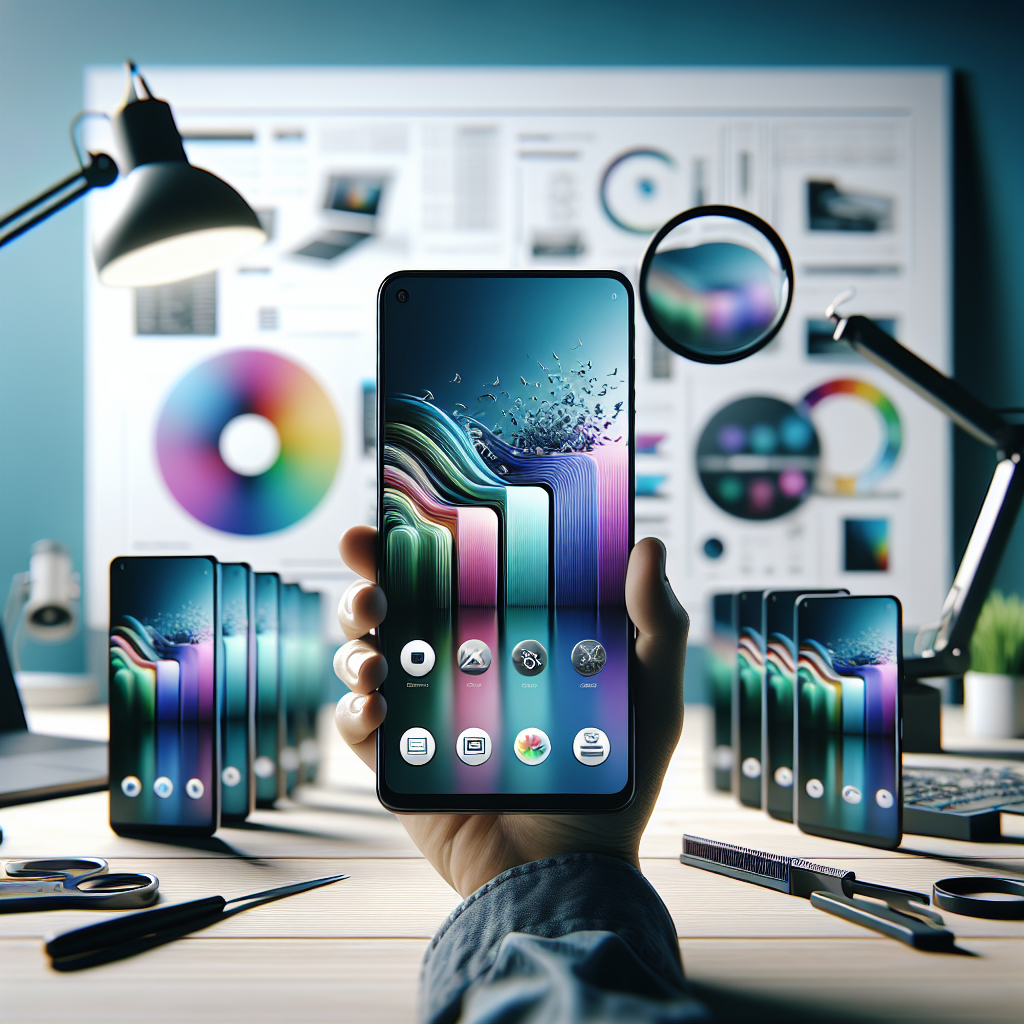
Another crucial factor to consider is the display quality and size. A phone with a high-resolution screen, such as Full HD or 4K, will provide a clearer and more detailed view of your video content. This clarity is essential for making precise edits and ensuring that colors and details are accurately represented.
Additionally, consider the size of the screen. Larger displays can make editing more comfortable by providing more space for your tools and timelines. However, balance is key – make sure the phone isn’t too large to handle comfortably. Phones with AMOLED or OLED displays often offer better color accuracy and contrast, making them ideal for video editing.
Storage Capacity: More Is Always Better
Video files, especially high-resolution ones, take up a significant amount of storage space. Therefore, having ample storage capacity is non-negotiable. Opt for phones with at least 128GB of internal storage, and if possible, choose models that support expandable storage via microSD cards. This flexibility allows you to store more raw footage without constantly worrying about running out of space.
Additionally, consider cloud storage options. Many phones come with integrated cloud services like Google Drive or iCloud, which can help you manage your files efficiently. Having a backup ensures that your precious footage is safe, even if your phone’s storage becomes full or if you encounter device issues.
Battery Life: Keeping You Powered Up
Video editing is a power-intensive task that can quickly drain your phone’s battery. To avoid being tethered to a charger, look for phones with robust battery life. A battery capacity of 4000mAh or higher is ideal for heavy usage. Also, consider phones that support fast charging, so you can quickly recharge your device and get back to editing without long delays.
Some phones also offer battery-saving modes or performance optimization features that can extend your editing sessions. These can be useful when you’re working on location or when a power outlet isn’t readily available.
Camera Capabilities: More Than Just Editing
While the focus here is on editing, having a good camera on your phone can enhance your video production process. Look for phones with high-quality cameras that offer features like optical image stabilization, 4K video recording, and good low-light performance. These features can help you capture stunning footage that will be a joy to edit.
A phone with advanced camera settings, such as manual controls for exposure and focus, can provide more creative freedom when shooting. Even if you’re primarily an editor, having the ability to shoot high-quality footage can significantly improve your final product.
Software and App Compatibility
Before making a purchase, ensure that your chosen phone is compatible with your preferred video editing apps. Popular apps like Adobe Premiere Rush, LumaFusion, and iMovie have specific requirements, so check their compatibility with the operating system of the phone you’re considering.
Some phones come with pre-installed editing apps that can be quite powerful. However, the availability of third-party apps can offer more versatility, allowing you to choose a tool that best fits your editing style and needs.
Conclusion: Making the Right Choice
Choosing a mobile phone for video editing involves considering several critical factors, from processor power and display quality to storage capacity and battery life. Balancing these elements with your personal preferences and budget will help you find a phone that meets your needs and enhances your video editing experience.
Remember, the best phone for video editing is one that aligns with your workflow and creative vision. By focusing on the features that matter most to you, you’ll be well-equipped to create stunning video content, anytime and anywhere.