

How to Choose a Mobile Phone for Students: Your Complete Guide to Finding the Perfect Device
Choosing the right mobile phone as a student can feel overwhelming with so many options flooding the market. Whether you’re heading to high school or starting your college journey, your smartphone will likely become one of your most essential tools. From staying connected with friends and family to managing coursework and accessing educational apps, the right phone can significantly impact your academic success and social life.
But here’s the thing – you don’t need to break the bank or get the latest flagship device to have a phone that serves you well throughout your student years. What you need is a device that balances performance, affordability, and features that actually matter for student life. Let’s dive into everything you need to know about selecting the perfect student mobile phone.

Understanding Your Student Lifestyle Needs
Before we jump into specifications and price ranges, it’s crucial to understand what makes a good student phone different from what might work for a business professional or casual user. As a student, your phone needs to handle multiple roles throughout your day.
Your device will serve as your alarm clock, camera for capturing notes from whiteboards, communication hub for group projects, entertainment center during breaks, and sometimes even your primary computer for quick research and assignments. This multi-functional requirement means you need a phone that’s reliable, has decent battery life, and won’t leave you stranded when you need it most.
Consider your typical day: early morning classes, long hours on campus, evening study sessions, and weekend social activities. Your phone needs to keep up with this demanding schedule while fitting comfortably in your budget – which, let’s be honest, probably isn’t huge as a student.
Budget Considerations for Student Mobile Phones
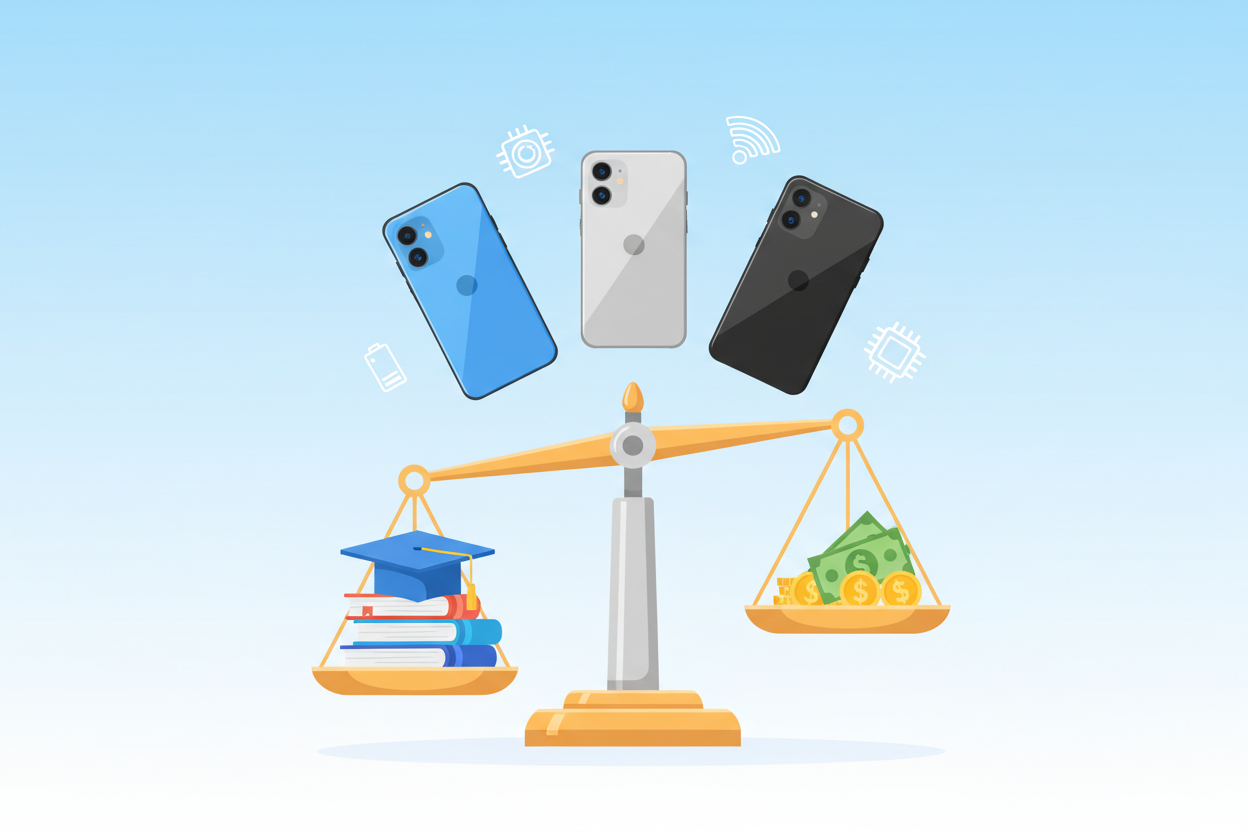
Let’s talk money – probably the most important factor for most students. The good news is that you can find excellent phones across various price ranges, and expensive doesn’t always mean better for your specific needs.
For budget-conscious students (under $300), there are plenty of solid options that offer great value. These phones typically provide decent cameras, reliable performance for everyday tasks, and battery life that can get you through a full day of classes. Mid-range phones ($300-$600) offer a sweet spot with better cameras, faster processors, and more storage – perfect if you can stretch your budget a bit.
Premium phones (over $600) certainly offer top-tier features, but ask yourself honestly: do you really need that professional-grade camera system or the absolute fastest processor? Sometimes, the answer is yes, especially if you’re studying photography, graphic design, or mobile app development. But for most students, a mid-range device will serve you perfectly well.
Don’t forget to factor in additional costs like cases, screen protectors, and phone plans. A $200 phone with a $50 monthly plan might be more budget-friendly than a $600 phone with a $30 monthly plan when you calculate the total cost over two years.
Essential Features Every Student Phone Should Have
Now let’s get into the nitty-gritty of what features actually matter for student life. While marketing materials might emphasize flashy features, here’s what you should really focus on.
Battery life tops the list – there’s nothing worse than your phone dying in the middle of an important call or when you need to access your digital student ID. Look for phones with at least 4000mAh battery capacity, and pay attention to real-world usage reviews rather than manufacturer claims.
Storage space is another critical consideration. Between photos, apps, downloaded lectures, and documents, you’ll be surprised how quickly storage fills up. Aim for at least 64GB of internal storage, though 128GB is more comfortable. If the phone supports expandable storage via microSD cards, that’s a bonus – you can always add more space later without buying a new phone.
Camera quality matters more than you might think. You’ll use it for capturing notes, scanning documents, taking photos for projects, and yes, those inevitable social media posts. You don’t need professional-grade equipment, but a decent main camera with good low-light performance will serve you well in lecture halls and libraries.
Performance Requirements for Academic Use
When it comes to performance, think about what you’ll actually be doing with your phone. If you’re constantly switching between note-taking apps, web browsers, messaging platforms, and educational software, you’ll want smooth multitasking capabilities.
A modern processor with at least 4GB of RAM should handle typical student tasks without frustrating lag. However, if you’re in a field that requires intensive mobile apps – like architecture students using CAD software or computer science students testing their own apps – you might want to invest in more powerful hardware.
Don’t overlook software updates either. A phone that receives regular security and feature updates will serve you better throughout your academic career. This is where established brands often have an advantage, as they typically provide longer software support.
Consider how the phone handles connectivity too. Strong WiFi performance is essential for those campus networks, and good cellular reception can be a lifesaver when you need to hotspot your laptop for an urgent assignment submission.
Durability and Protection for Campus Life
Let’s be real – student life can be tough on electronics. Between rushing to classes, cramming phones into overstuffed backpacks, and the occasional late-night mishap, your phone needs to withstand more than gentle office use.
Look for phones with decent build quality, and don’t skimp on protection accessories. A good case and screen protector are investments that can save you hundreds in repair costs. Some phones come with water resistance ratings, which can be helpful for those unexpected weather changes or accidental spills.
Consider the repairability factor too. Phones with easily replaceable screens or batteries might cost a bit more upfront but can save money in the long run. Research local repair options and costs before making your final decision.
Operating System: Android vs iOS for Students
The eternal debate: Android or iOS? Both have their merits for students, and the choice often comes down to personal preference and ecosystem considerations.
Android offers more variety in terms of price points and features. You can find excellent Android phones at every budget level, and the platform offers more customization options. If you’re tech-savvy and like to personalize your experience, Android might be your preference. Plus, Android phones often offer features like expandable storage and headphone jacks that some students find essential.
iOS, on the other hand, offers a more streamlined experience with excellent integration if you’re already using other Apple products. iPhones typically receive longer software support, which means your phone will stay current longer. The App Store also tends to get educational apps first, and some schools have better integration with Apple’s ecosystem.
Consider what your friends and classmates use too. If everyone’s sharing notes through iMessage or using specific Android apps for group projects, compatibility might influence your decision.
Top Budget-Friendly Options for Students
Let’s look at some specific recommendations across different price ranges. In the budget category, phones like the Samsung Galaxy A series or Google Pixel ‘a’ series offer excellent value. These devices provide reliable performance, decent cameras, and the backing of major manufacturers for software support.
For those who can stretch to the mid-range, consider devices that offer premium features at more accessible prices. Look for last year’s flagship phones, which often drop significantly in price but still offer excellent performance for student needs.
Don’t overlook refurbished or certified pre-owned options either. Many retailers offer warranty-backed used phones that can give you access to higher-end features at budget-friendly prices. Just make sure to buy from reputable sources and check the battery health before purchasing.
Making Your Final Decision
When you’re ready to make your choice, take time to handle the phones you’re considering. Visit a store and spend a few minutes with each device. How does it feel in your hand? Is the screen size comfortable for reading? Are the buttons and interface intuitive?
Read reviews from actual users, not just tech reviewers. Student forums and social media groups often provide honest feedback about how phones perform in real-world student scenarios. Pay attention to long-term reviews that discuss how devices hold up after months of use.
Consider the timing of your purchase too. Back-to-school sales, Black Friday, and the period after new phone releases often offer the best deals. If your current phone is still functional, waiting for the right sale can save you significant money.
Choosing the right mobile phone as a student doesn’t have to be complicated. Focus on your actual needs rather than flashy marketing features, set a realistic budget that includes accessories and service plans, and prioritize reliability over cutting-edge specs. Remember, the best student phone is one that reliably supports your academic and social life without causing financial stress. Take your time, do your research, and choose a device that will be a helpful companion throughout your educational journey.