
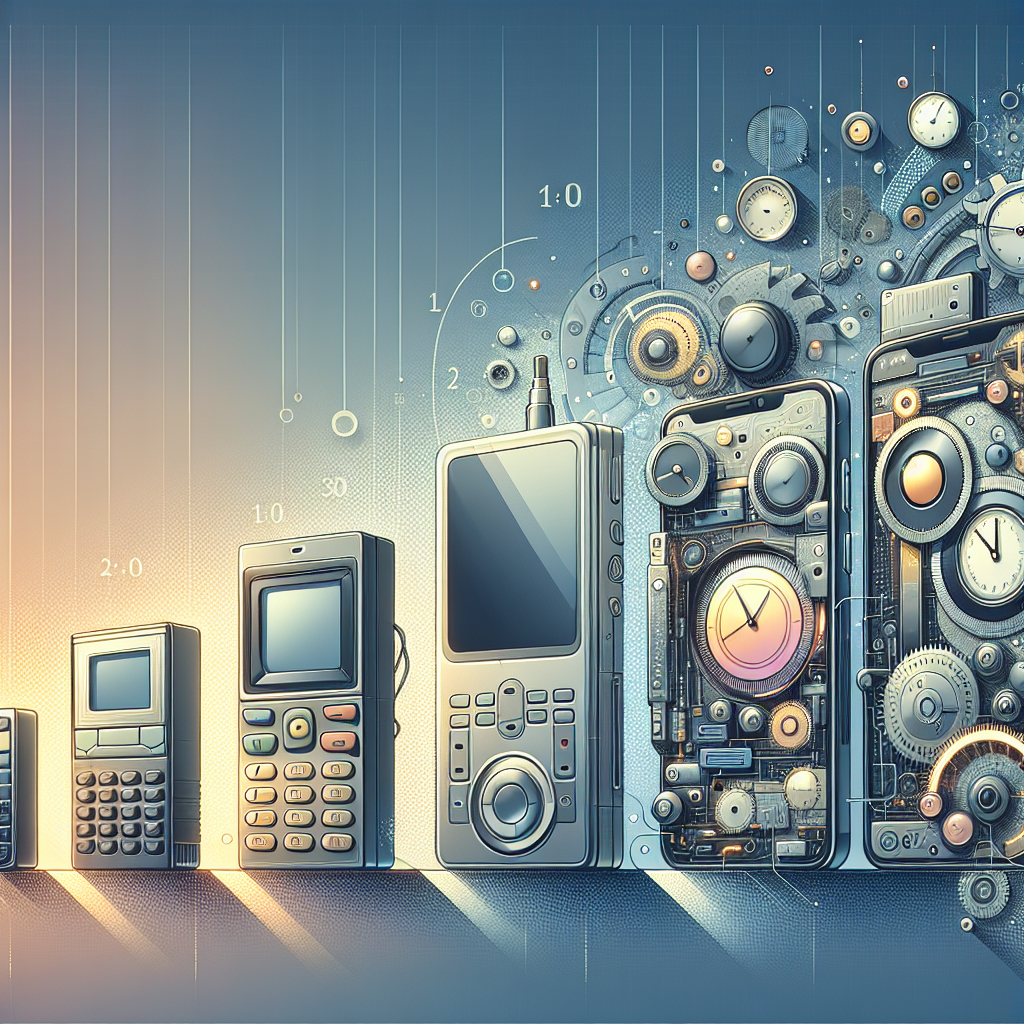
Exploring the Evolution of Mobile Phone Design
Mobile phones have become an integral part of our daily lives, but have you ever stopped to think about how far they’ve come since their inception? From the bulky devices of the 1980s to the sleek, multifunctional smartphones we carry today, mobile phone design has undergone a remarkable transformation. Let’s take a journey through time and explore the evolution of mobile phone design.
The Birth of Mobile Phones: The 1980s
The 1980s marked the dawn of mobile technology, with devices that were more akin to bricks than the compact phones we know today. The Motorola DynaTAC 8000X, released in 1983, was the first commercially available mobile phone. Weighing in at a hefty 2.5 pounds, it was a status symbol for the elite, despite its limited functionality and exorbitant price tag.
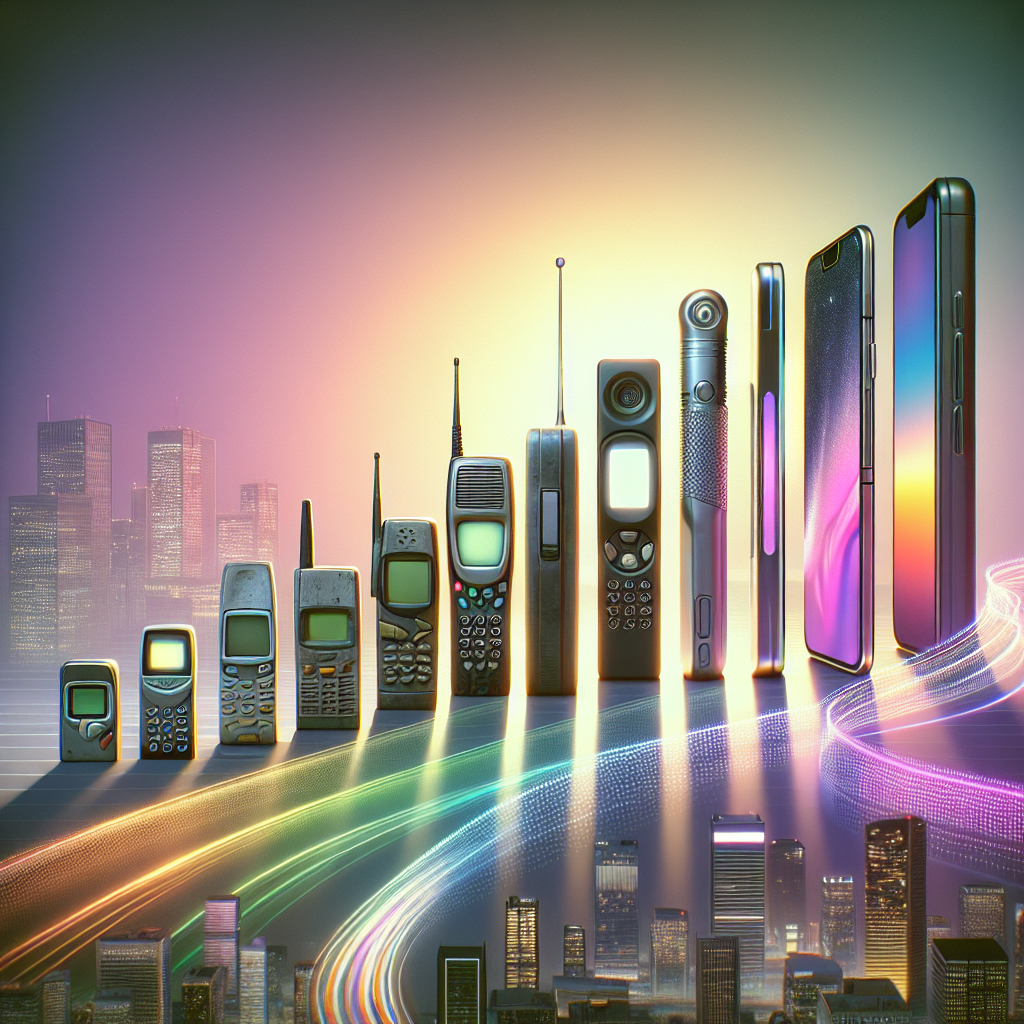
These early mobile phones were primarily designed for voice communication, with battery life lasting only a few hours. Despite their shortcomings, they paved the way for the mobile revolution.
The 1990s: Miniaturization and Functionality
As technology advanced, mobile phones began to shrink in size and improve in functionality. The 1990s saw the introduction of the Nokia 1011, the first mass-produced GSM phone. This era was characterized by the emergence of smaller, more affordable devices, making mobile phones accessible to a wider audience.
The iconic Nokia 3210, launched in 1999, became a cultural phenomenon with its customizable faceplates and beloved Snake game. The 1990s also witnessed the advent of texting, a feature that revolutionized personal communication.
The Early 2000s: The Rise of the Flip Phone
The early 2000s brought about the flip phone craze, with manufacturers like Motorola leading the charge. The Motorola Razr, released in 2004, was a game-changer in design, boasting a slim profile and a sleek, metallic finish. It quickly became a fashion statement and a must-have accessory.
This period was also marked by the introduction of color screens and polyphonic ringtones, enhancing the user experience and providing a glimpse into the future of mobile technology.
The Late 2000s: The Smartphone Revolution
Everything changed in 2007 with the launch of the Apple iPhone. This groundbreaking device combined a phone, media player, and internet communicator into one seamless package. The iPhone’s touchscreen interface and app ecosystem set a new standard for mobile design and functionality.
Following Apple’s lead, other manufacturers quickly adapted, leading to the rise of Android smartphones. This era saw a shift towards larger screens and more powerful processors, enabling users to perform tasks that were once reserved for computers.
The 2010s: The Era of Innovation
The 2010s were defined by rapid technological advancements and a constant push for innovation. Smartphones became thinner and lighter, with edge-to-edge displays and improved camera capabilities. Features like biometric authentication, wireless charging, and virtual assistants became standard, further enhancing the user experience.
Companies like Samsung pushed the boundaries with foldable phones, offering a glimpse into the potential future of mobile design. This decade also saw the rise of budget-friendly smartphones, making high-tech devices accessible to a global audience.
The Present and Future: A Glimpse Ahead
Today, mobile phones are more than just communication tools; they are essential companions in our daily lives. The focus has shifted towards sustainability, with manufacturers exploring eco-friendly materials and energy-efficient technologies.
Looking ahead, the future of mobile phone design is poised to embrace even more futuristic concepts, such as augmented reality integration and seamless connectivity with other smart devices. The possibilities are endless, and the journey of innovation continues.
Conclusion: A Testament to Human Ingenuity
The evolution of mobile phone design is a testament to human ingenuity and the relentless pursuit of progress. From the cumbersome devices of the past to the sophisticated smartphones of today, each stage of development reflects the changing needs and desires of society.
As we move forward, one thing is certain: mobile phones will continue to evolve, adapting to the ever-changing landscape of technology and human interaction. What began as a luxury item has become a necessity, shaping the way we communicate, work, and live.
The story of mobile phone design is far from over, and we can only imagine what exciting innovations lie ahead in this dynamic and ever-evolving field.