How to Choose a Mobile Phone for E-Reading: Your Complete Guide to Digital Reading Excellence
In today’s fast-paced digital world, our smartphones have become our constant companions, serving multiple purposes beyond just communication. For book lovers, choosing the right mobile phone for e-reading can transform your daily commute, lunch breaks, or bedtime routine into enriching literary experiences. Whether you’re a casual reader or a voracious bookworm, selecting a smartphone optimized for reading can significantly enhance your digital reading journey.
The beauty of mobile e-reading lies in its convenience – you always have an entire library in your pocket. However, not all smartphones are created equal when it comes to providing an optimal reading experience. From screen quality and battery life to comfort and eye strain considerations, several factors can make or break your mobile reading sessions.
Essential Display Features for Comfortable E-Reading
The display is undoubtedly the most critical component when choosing a mobile phone for e-reading. After all, you’ll be staring at this screen for extended periods, so comfort and clarity are paramount.
Screen size plays a crucial role in your reading experience. While phones with 5.5 to 6.7-inch displays offer the sweet spot for most readers, personal preference varies significantly. Larger screens reduce the need for frequent page turns and allow for better text formatting, but they can become cumbersome for one-handed reading during commutes.
Resolution matters more than you might think. Look for phones with at least Full HD+ resolution (1080p or higher) to ensure crisp, clear text that won’t strain your eyes. Higher pixel density, measured in pixels per inch (PPI), means sharper text edges and better overall readability. Phones with 400+ PPI typically provide excellent text clarity.
Display technology significantly impacts your reading comfort. OLED and AMOLED screens offer superior contrast ratios, making black text on white backgrounds appear crisper and more defined. These technologies also provide true blacks, which can be easier on the eyes during extended reading sessions, especially in low-light conditions.
Blue Light Protection and Eye Strain Prevention
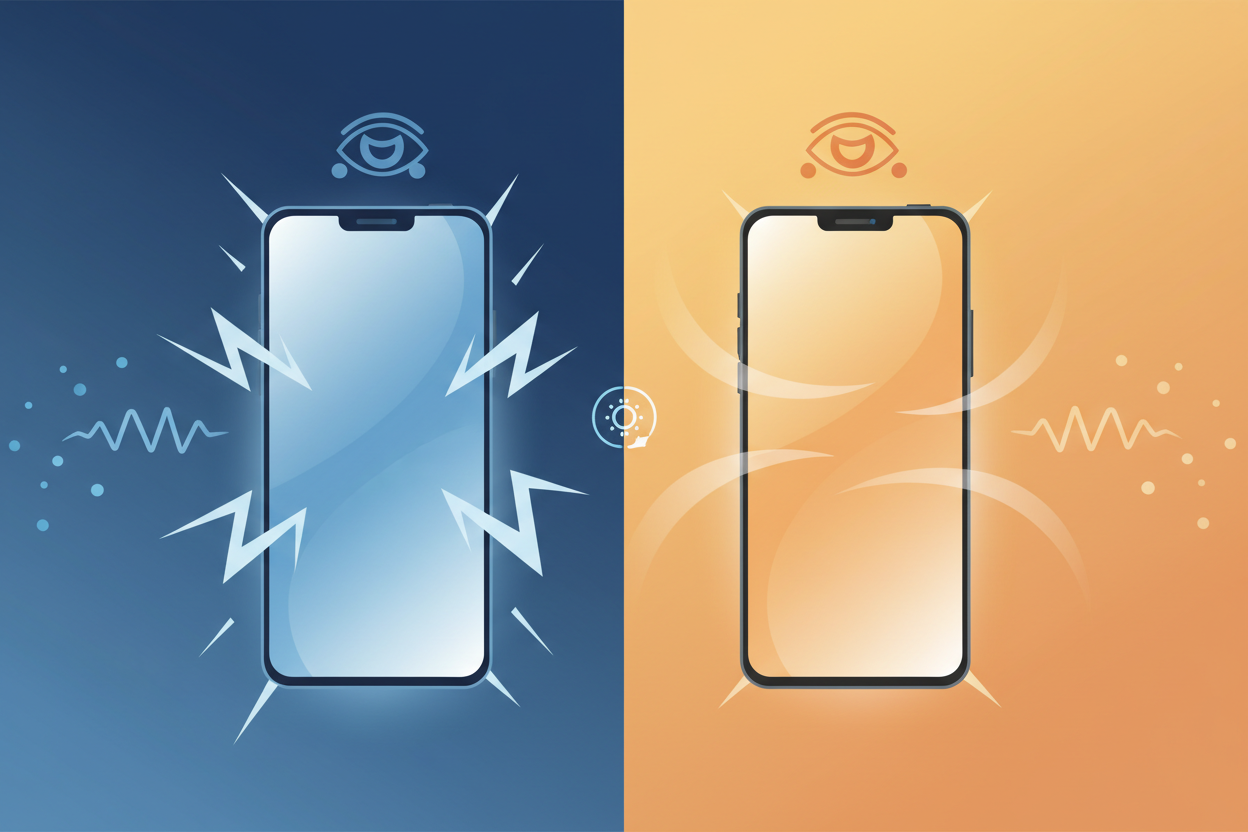
Extended mobile reading sessions can lead to digital eye strain, making blue light filtering an essential consideration. Modern smartphones typically include built-in blue light filters or “night mode” features that reduce blue light emission, particularly during evening reading sessions.
Look for phones with advanced display technologies that minimize eye strain. Some manufacturers incorporate specialized eye care features, such as automatic brightness adjustment based on ambient lighting conditions and flicker reduction technology. These features work together to create a more comfortable reading environment.
Consider phones with adaptive display technology that automatically adjusts color temperature throughout the day. This feature helps maintain your natural circadian rhythm while providing optimal reading conditions regardless of the time.
Battery Life Considerations for Extended Reading Sessions
Nothing disrupts a good reading session quite like a dead battery. When choosing a mobile phone for e-reading, prioritize devices with robust battery performance that can handle hours of screen-on time.
Look for smartphones with at least 4,000mAh battery capacity, though 5,000mAh or higher is preferable for heavy readers. Remember that reading apps are generally less battery-intensive than gaming or video streaming, so a phone with good battery optimization can provide impressive reading time.
Fast charging capabilities become invaluable when you’re deep into a captivating book and your battery runs low. Phones with 30W or faster charging can quickly top up your battery during short breaks, ensuring minimal interruption to your reading flow.
Battery optimization features specific to reading apps can extend your device’s endurance. Some phones offer app-specific power management that reduces background activity and optimizes performance for reading applications.
Performance Requirements for Smooth E-Reading Experience
While e-reading doesn’t demand the same processing power as gaming or video editing, smooth performance remains important for a pleasant reading experience. Laggy page turns, slow app loading, or stuttering animations can quickly become frustrating.
A mid-range processor with at least 6GB of RAM typically provides sufficient performance for e-reading applications. However, if you plan to use your phone for multiple tasks while reading – such as taking notes, looking up definitions, or switching between multiple reading apps – consider devices with 8GB or more RAM.
Storage capacity becomes crucial if you prefer downloading books for offline reading. While most e-books are relatively small files, audiobook downloads and PDF documents can quickly consume storage space. Opt for phones with at least 128GB of internal storage, or ensure expandable storage options are available.
Ergonomics and Physical Comfort
Physical comfort during extended reading sessions cannot be overlooked. The phone’s weight, dimensions, and grip become increasingly important as reading sessions stretch longer.
Consider the phone’s weight distribution and overall ergonomics. Phones weighing between 150-200 grams typically provide a good balance between substantial feel and comfortable extended use. Heavier devices can cause hand fatigue during long reading sessions.
The phone’s grip and texture affect your ability to hold it comfortably for extended periods. Some manufacturers incorporate textured backs or curved edges that improve grip security, reducing the likelihood of accidental drops during one-handed reading.
Button placement and accessibility matter when adjusting volume, brightness, or switching between apps while reading. Ensure volume buttons and power buttons are easily reachable without requiring significant grip adjustments.
Software Features and Reading App Compatibility
The software experience significantly impacts your e-reading enjoyment. Look for phones running recent Android or iOS versions that support the latest features in popular reading applications like Kindle, Apple Books, Google Play Books, or specialized apps like Moon+ Reader.
Multitasking capabilities enhance the reading experience, allowing you to quickly switch between reading apps, note-taking applications, or web browsers for research without losing your place. Phones with robust multitasking support and sufficient RAM make these transitions seamless.
Consider phones with advanced accessibility features if you have specific reading needs. Text-to-speech functionality, adjustable font sizes, high contrast modes, and voice control can significantly improve the reading experience for users with visual impairments or reading difficulties.
Some smartphones offer reading-specific features like dedicated reading modes that optimize the entire device for text consumption, including adjusted color profiles, reduced notifications, and enhanced focus modes.
Audio Capabilities for Audiobook Enthusiasts
If your reading preferences include audiobooks, audio quality becomes an important consideration. Look for phones with high-quality speakers and advanced audio processing capabilities.
Stereo speakers provide better spatial audio experience for audiobook narration, making voices sound more natural and engaging. However, for private listening, focus on phones with excellent headphone jack quality or superior Bluetooth audio codec support.
Advanced Bluetooth codecs like aptX HD or LDAC ensure high-quality wireless audio transmission to your headphones or earbuds, preserving the nuances in audiobook narration that enhance the listening experience.
Budget Considerations and Value Optimization
Excellent e-reading experiences don’t necessarily require flagship phone prices. Many mid-range smartphones offer outstanding displays, solid battery life, and smooth performance at significantly lower costs.
Focus your budget on the features that matter most for reading: display quality, battery life, and comfortable ergonomics. You can often find phones with premium displays and excellent battery life in the mid-range segment without paying for high-end camera systems or gaming-focused processors you won’t use for reading.
Consider previous-generation flagship phones that may offer premium features at reduced prices. These devices often provide excellent reading experiences while fitting more comfortably within budget constraints.
Making Your Final Decision
Choosing the perfect mobile phone for e-reading ultimately comes down to balancing your specific needs, preferences, and budget. Start by identifying your primary reading habits – do you prefer long novel sessions, quick article reading, or mixed multimedia content?
Consider visiting stores to physically handle potential phones before purchasing. The tactile experience of holding and using a device for extended periods cannot be replicated through online specifications alone.
Read reviews from other users who prioritize reading functionality, as their experiences often highlight real-world performance aspects that technical specifications might not reveal.
Selecting the right mobile phone for e-reading can transform your reading habits and open up new opportunities for literary exploration. By prioritizing display quality, battery life, comfort, and the features that align with your reading preferences, you’ll find a device that serves as the perfect digital reading companion. Remember that the best phone for e-reading is ultimately the one that encourages you to read more, providing a comfortable and enjoyable experience that fits seamlessly into your lifestyle. Take time to evaluate your options carefully, and you’ll be rewarded with countless hours of pleasant mobile reading experiences.