
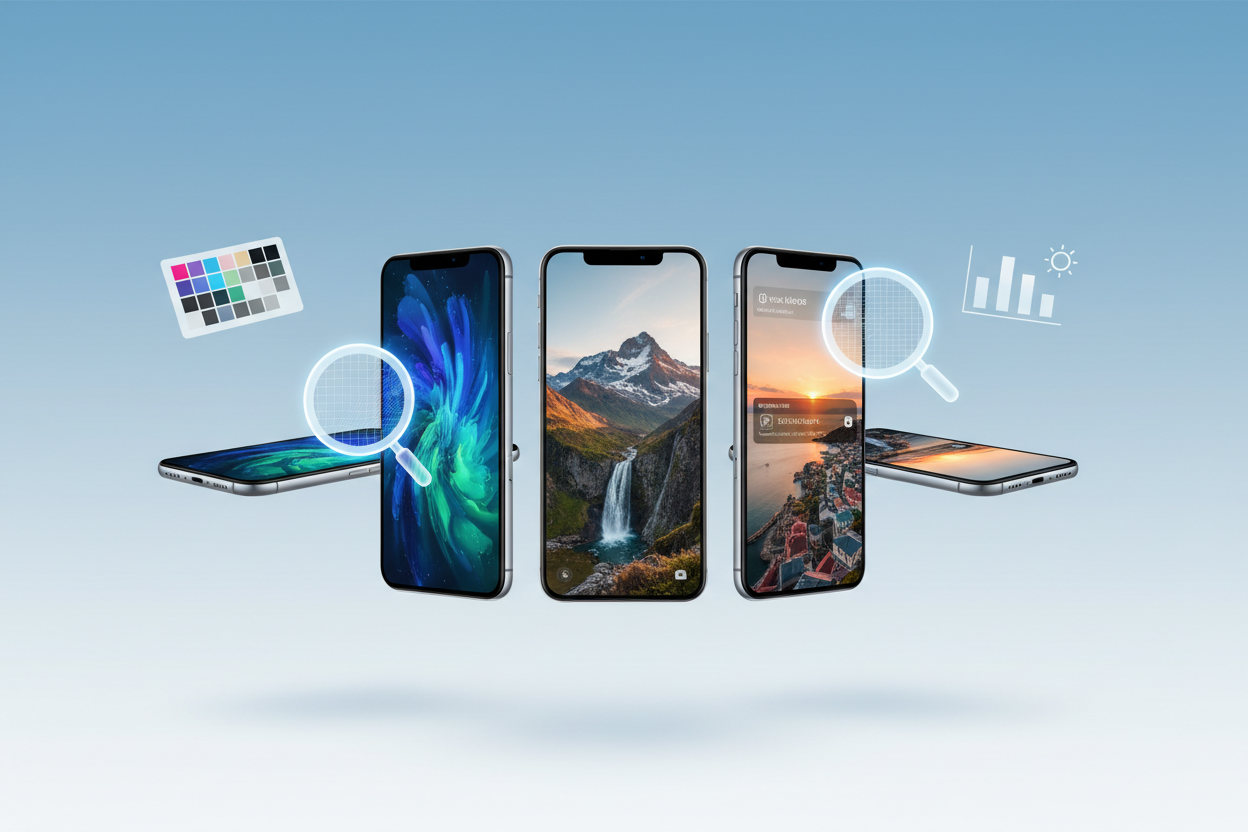
How to Choose a Mobile Phone Based on Display Quality: Your Complete Guide to Finding the Perfect Screen
Your smartphone’s display is arguably its most important feature. Think about it – you spend hours every day staring at that screen, whether you’re scrolling through social media, watching videos, reading emails, or playing games. Yet surprisingly, many people overlook display quality when choosing their next phone, focusing instead on camera specs or storage capacity. This approach is like buying a car based solely on the engine while ignoring the seats you’ll sit in every day.
The truth is, a poor-quality display can make even the most powerful smartphone feel frustrating to use. On the flip side, an excellent screen can elevate your entire mobile experience, making everything from browsing the web to watching Netflix more enjoyable. In this comprehensive guide, we’ll walk you through everything you need to know about smartphone displays, helping you make an informed decision that you’ll be happy with for years to come.
Understanding Display Technology: The Foundation of Screen Quality
Before diving into specific features, it’s crucial to understand the different types of display technologies available in today’s smartphones. Each technology has its own strengths and weaknesses, and understanding these differences will help you choose the right phone for your needs.
LCD (Liquid Crystal Display) technology has been around for decades and remains popular in many mid-range and budget smartphones. LCD screens use a backlight to illuminate the display, which means they can’t achieve true blacks – there’s always some light bleeding through. However, LCD displays typically offer excellent color accuracy and are often more affordable to manufacture, making them a solid choice for budget-conscious buyers.
OLED (Organic Light-Emitting Diode) displays represent the current gold standard in smartphone screen technology. Unlike LCD screens, each pixel in an OLED display produces its own light, allowing for perfect blacks and infinite contrast ratios. This technology also enables features like Always-On Displays and more vibrant colors. The downside? OLED screens are generally more expensive and can suffer from burn-in over time, though this has become less of an issue with modern panels.
AMOLED (Active Matrix OLED) is Samsung’s proprietary version of OLED technology, offering similar benefits with some optimizations for mobile devices. You’ll find AMOLED displays in many flagship Android phones, and they’re known for their punchy colors and deep blacks.
Screen Size and Resolution: Finding Your Sweet Spot
When it comes to screen size, bigger isn’t always better. The ideal display size depends on your personal preferences, hand size, and how you use your phone. Compact phones with 5.4 to 6.1-inch displays are perfect for one-handed use and easily fit in most pockets. They’re ideal if you primarily use your phone for calls, texts, and basic apps.
Medium-sized displays ranging from 6.1 to 6.5 inches strike a balance between portability and usability. These screens offer enough real estate for comfortable typing and media consumption without being unwieldy. Most flagship phones fall into this category because it represents the sweet spot for most users.
Large displays over 6.5 inches are fantastic for media consumption, gaming, and productivity tasks. However, they require two-handed operation and may not fit comfortably in smaller pockets. Consider your daily routine and whether you’re willing to sacrifice portability for screen real estate.
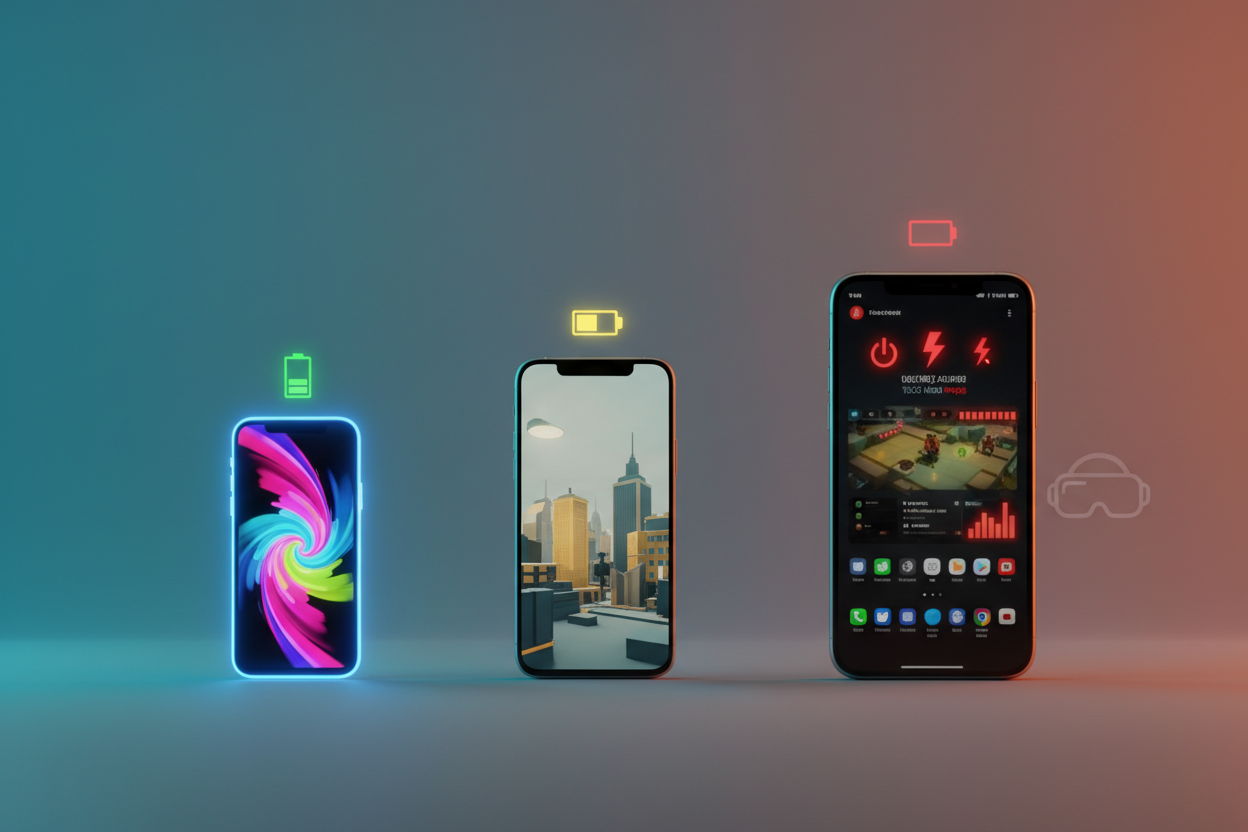
Resolution is equally important, but don’t get caught up in the numbers game. While 4K displays sound impressive, they’re often overkill for smartphone screens and can drain your battery faster. Full HD+ (1080p+) resolution is perfectly adequate for most users and provides sharp, clear images on screens up to 6.5 inches. Quad HD+ (1440p+) resolution makes sense for larger displays or if you plan to use your phone with VR headsets.
Color Accuracy and Display Calibration: Seeing True Colors
Color accuracy might not be the flashiest spec, but it’s crucial for a quality viewing experience. A well-calibrated display shows colors as they were intended to be seen, whether you’re editing photos, watching movies, or simply browsing social media.
Many manufacturers oversaturate their displays to make them appear more vibrant in store demonstrations. While these punchy colors might look impressive at first glance, they can become fatiguing over time and don’t accurately represent real-world colors. Look for phones that offer multiple color profiles or display modes, allowing you to choose between vivid and natural color reproduction based on your preferences.
Professional color standards like sRGB and DCI-P3 are important benchmarks. sRGB is the standard for web content and most photos, while DCI-P3 covers a wider color gamut used in digital cinema. Phones that support both standards and can automatically switch between them provide the most accurate color reproduction across different types of content.
Brightness and Outdoor Visibility: Staying Visible in Any Light
There’s nothing more frustrating than trying to use your phone outdoors on a sunny day, only to find that you can barely see the screen. Peak brightness, measured in nits, determines how well you can see your display in bright conditions. For comfortable outdoor use, look for phones with at least 600-700 nits of peak brightness, though flagship phones often exceed 1000 nits.
Adaptive brightness is another crucial feature that automatically adjusts your screen brightness based on ambient light conditions. The best implementations use advanced sensors and machine learning to predict your preferred brightness levels in different environments, reducing eye strain and conserving battery life.
HDR (High Dynamic Range) support enhances the viewing experience by displaying a wider range of colors and brightness levels. When watching HDR content on streaming platforms like Netflix or YouTube, compatible displays can show brighter highlights and deeper shadows, creating a more immersive viewing experience.
Refresh Rate: Smooth as Silk
Refresh rate, measured in hertz (Hz), determines how many times per second your display updates its image. Traditional displays operate at 60Hz, but many modern smartphones offer higher refresh rates of 90Hz, 120Hz, or even 144Hz.
Higher refresh rates make scrolling through apps, navigating menus, and playing games feel noticeably smoother. Once you’ve experienced a 120Hz display, going back to 60Hz can feel choppy and sluggish. However, higher refresh rates do impact battery life, so many phones offer variable refresh rates that automatically adjust based on the content you’re viewing.
Gaming enthusiasts will particularly appreciate high refresh rate displays, as they can provide a competitive advantage in fast-paced games. However, keep in mind that not all apps and games support high refresh rates, so the benefits vary depending on your usage patterns.
Durability and Protection: Keeping Your Investment Safe
Your phone’s display is its most vulnerable component, so protection should be a key consideration. Gorilla Glass has become the industry standard for smartphone screen protection, with newer versions like Gorilla Glass Victus offering improved drop and scratch resistance.
Some manufacturers use their own proprietary glass solutions, like Apple’s Ceramic Shield or Samsung’s toughened glass. While these alternatives can be effective, Gorilla Glass has the advantage of extensive real-world testing and widespread adoption across the industry.
Consider whether the phone has any additional protective features, such as raised edges around the screen or reinforced corners. These design elements can help protect your display from damage during drops and everyday wear and tear.
Special Features That Enhance Your Experience
Modern smartphone displays often include special features that can enhance your daily experience. Always-On Displays show basic information like time, date, and notifications without fully waking the screen, providing convenience while conserving battery life.
Blue light filtering has become increasingly important as we spend more time staring at screens. Many phones now offer built-in blue light filters that reduce eye strain during evening use, and some displays can automatically adjust color temperature based on the time of day.
Fingerprint sensors integrated into the display offer a seamless unlocking experience, though the technology varies between optical and ultrasonic implementations. Ultrasonic sensors tend to be more secure and work better with screen protectors, while optical sensors are typically faster but less secure.
Budget Considerations: Getting the Best Value
Display quality doesn’t have to break the bank, but understanding the trade-offs at different price points will help you make the best decision for your budget. Budget phones under $300 typically feature LCD displays with Full HD resolution and standard refresh rates. While these screens may not have the vibrant colors of OLED panels, many offer perfectly adequate quality for everyday use.
Mid-range phones between $300-600 often feature OLED displays with higher refresh rates and better color accuracy. This price range represents excellent value for most users, offering premium display features without the flagship price tag.
Flagship phones above $600 typically offer the latest display technology, including the brightest OLED panels, highest refresh rates, and most advanced features. While these displays are undoubtedly impressive, consider whether the improvements justify the additional cost based on your usage patterns.
Making Your Final Decision
Choosing a smartphone based on display quality requires balancing multiple factors against your personal needs and preferences. Start by considering how you primarily use your phone. If you’re a heavy media consumer who watches lots of videos and plays games, investing in a high-quality OLED display with a high refresh rate makes sense. For basic users who primarily make calls and send texts, a good LCD display might be perfectly adequate.
Don’t forget to consider the phone’s overall package. A stunning display is less valuable if it’s attached to a phone with poor battery life, outdated software, or inadequate performance. Look for phones that offer a good balance of features rather than focusing solely on the display.
Finally, try to see the display in person before making your decision. Photos and specifications can only tell you so much – experiencing the screen quality firsthand will give you the best sense of whether it meets your expectations. Pay attention to how the display looks in different lighting conditions and how comfortable it feels during extended use.
Your smartphone’s display is your window to the digital world, and choosing the right one can significantly impact your daily experience. By understanding the key factors we’ve discussed – from display technology and resolution to refresh rates and special features – you’ll be well-equipped to find a phone with a screen that perfectly matches your needs and budget. Remember, the best display is the one that makes your daily interactions with your phone more enjoyable, productive, and comfortable.