
The Role of Mobile Phones in Pakistan’s Economy
In recent years, mobile phones have become an integral part of daily life worldwide, and Pakistan is no exception. These pocket-sized devices have transformed the way we communicate, access information, and conduct business. But beyond these personal conveniences, mobile phones have a significant impact on Pakistan’s economy. In this blog post, we will explore how mobile phones play a crucial role in driving economic growth, enhancing financial inclusion, and fostering innovation in Pakistan.
Mobile Phone Penetration and Economic Growth
Mobile phone penetration in Pakistan has witnessed exponential growth over the past decade. According to the Pakistan Telecommunication Authority (PTA), the number of mobile phone subscribers has surpassed 180 million. This surge in mobile usage has had a direct correlation with economic growth. Mobile phones have facilitated communication, reduced transaction costs, and improved market efficiency, all of which contribute to economic development.
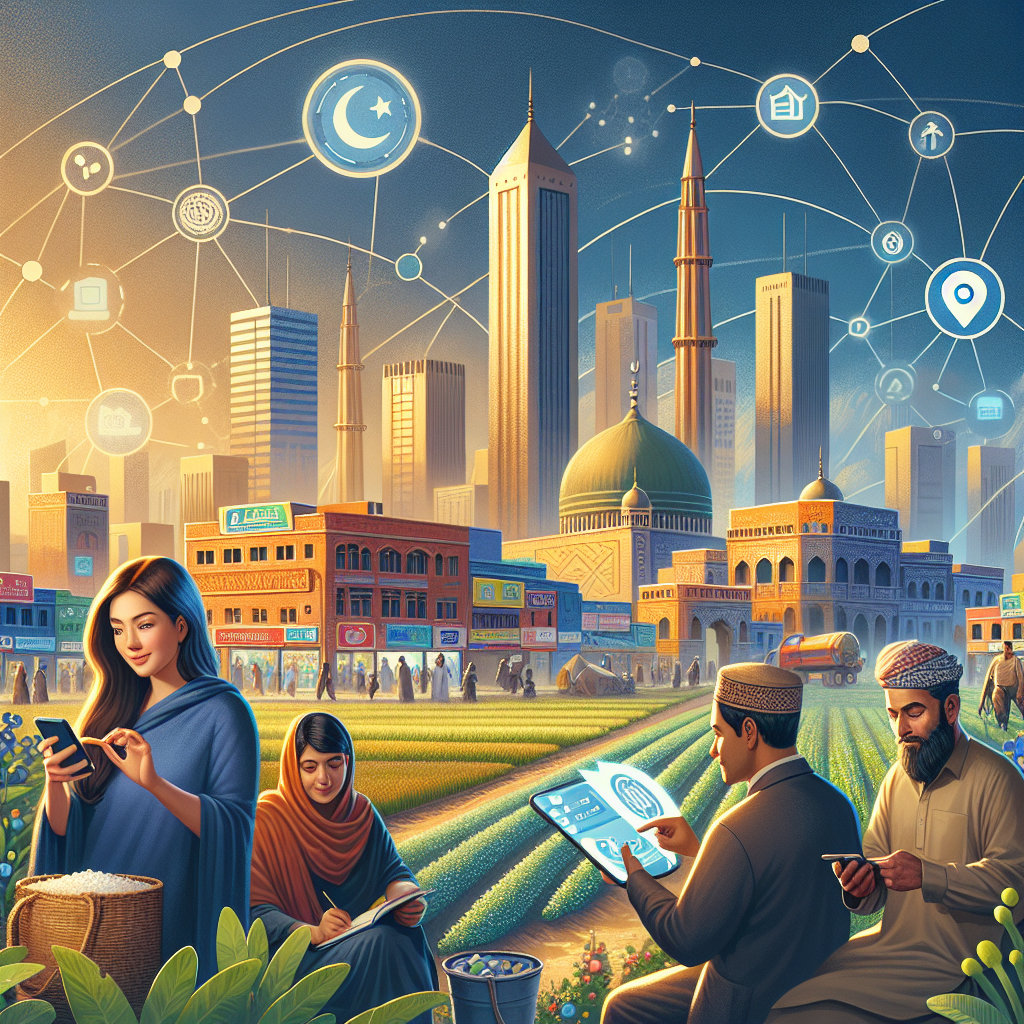
The widespread availability of mobile phones has also led to the creation of new business opportunities. Entrepreneurs and small businesses leverage mobile technology to reach larger audiences, resulting in increased sales and revenue. Additionally, the mobile phone industry itself has become a significant contributor to Pakistan’s GDP, with telecom companies investing heavily in infrastructure and creating thousands of jobs.
Enhancing Financial Inclusion Through Mobile Banking
One of the most transformative impacts of mobile phones in Pakistan is the rise of mobile banking. In a country where a significant portion of the population remains unbanked, mobile banking services have emerged as a game-changer. Services like JazzCash and Easypaisa enable users to perform financial transactions, pay bills, and transfer money directly from their mobile phones.
This financial inclusion has empowered previously marginalized communities, allowing them to participate in the formal economy. Mobile banking has made financial services accessible to rural areas, where traditional banking infrastructure is often lacking. As more people gain access to financial services, the overall economic landscape of Pakistan continues to improve, leading to increased savings, investments, and economic growth.
Fostering Innovation and Entrepreneurship
Mobile phones have also played a pivotal role in fostering innovation and entrepreneurship in Pakistan. The ubiquitous nature of mobile technology has inspired a new generation of tech-savvy entrepreneurs to develop innovative solutions to local problems. From ride-hailing apps to e-commerce platforms, mobile technology has enabled startups to thrive in the competitive market.
Incubators and accelerators are cropping up across the country, supporting young entrepreneurs in transforming their ideas into viable businesses. The government’s focus on digital transformation and startup culture has further propelled this trend, creating a vibrant ecosystem that promotes technological innovation and economic diversification.
The Impact of Mobile Phones on Education
In addition to economic impacts, mobile phones have significantly influenced the education sector in Pakistan. With the advent of mobile internet and affordable smartphones, students now have access to a wealth of educational resources at their fingertips. Online courses, educational apps, and digital libraries provide learners with opportunities for self-improvement and skill development.
This democratization of education has bridged the gap between urban and rural students, offering equal opportunities to access quality learning materials. As more educational institutions integrate mobile technology into their teaching methods, the overall quality of education in Pakistan is expected to rise, ultimately contributing to a more knowledgeable and skilled workforce.
Challenges and Future Prospects
While the role of mobile phones in Pakistan’s economy is undeniably positive, there are challenges that need to be addressed. Issues such as digital literacy, cybersecurity, and data privacy require attention to ensure that mobile technology benefits all segments of society. Furthermore, the digital divide remains a concern, with rural and low-income populations having limited access to mobile technology.
Looking ahead, the future prospects for mobile phones in Pakistan are promising. With ongoing advancements in technology and increasing internet penetration, mobile phones will continue to drive economic growth, enhance financial inclusion, and spur innovation. Collaborations between government, private sector, and non-governmental organizations will be crucial in maximizing the positive impact of mobile technology on Pakistan’s economy.
Conclusion
In conclusion, mobile phones have emerged as a powerful tool driving economic growth and development in Pakistan. From enhancing financial inclusion and fostering entrepreneurship to revolutionizing education, the impact of mobile technology is profound. While challenges remain, the continued expansion and integration of mobile technology into various sectors hold great promise for the future of Pakistan’s economy. As we move forward, it is essential to harness the full potential of mobile phones to create a more connected, inclusive, and prosperous society.