
The Impact of Mobile Phone Prices on Consumer Choices in Pakistan
In recent years, the evolution of mobile phones has been nothing short of phenomenal. From basic communication devices to powerful mini-computers, smartphones have become an indispensable part of our daily lives. In Pakistan, a country with a rapidly growing tech-savvy population, the choice of mobile phones is heavily influenced by one critical factor: price. In this blog post, we will delve into how mobile phone prices affect consumer choices in Pakistan and explore the factors that drive these decisions.
Understanding the Economic Landscape of Pakistan
To comprehend the impact of mobile phone prices on consumer choices, it is essential to first understand the economic landscape of Pakistan. With a population exceeding 220 million, Pakistan is a diverse nation with a wide range of incomes and financial capabilities. The GDP per capita remains relatively low, which means that affordability is a key concern for the majority of consumers.
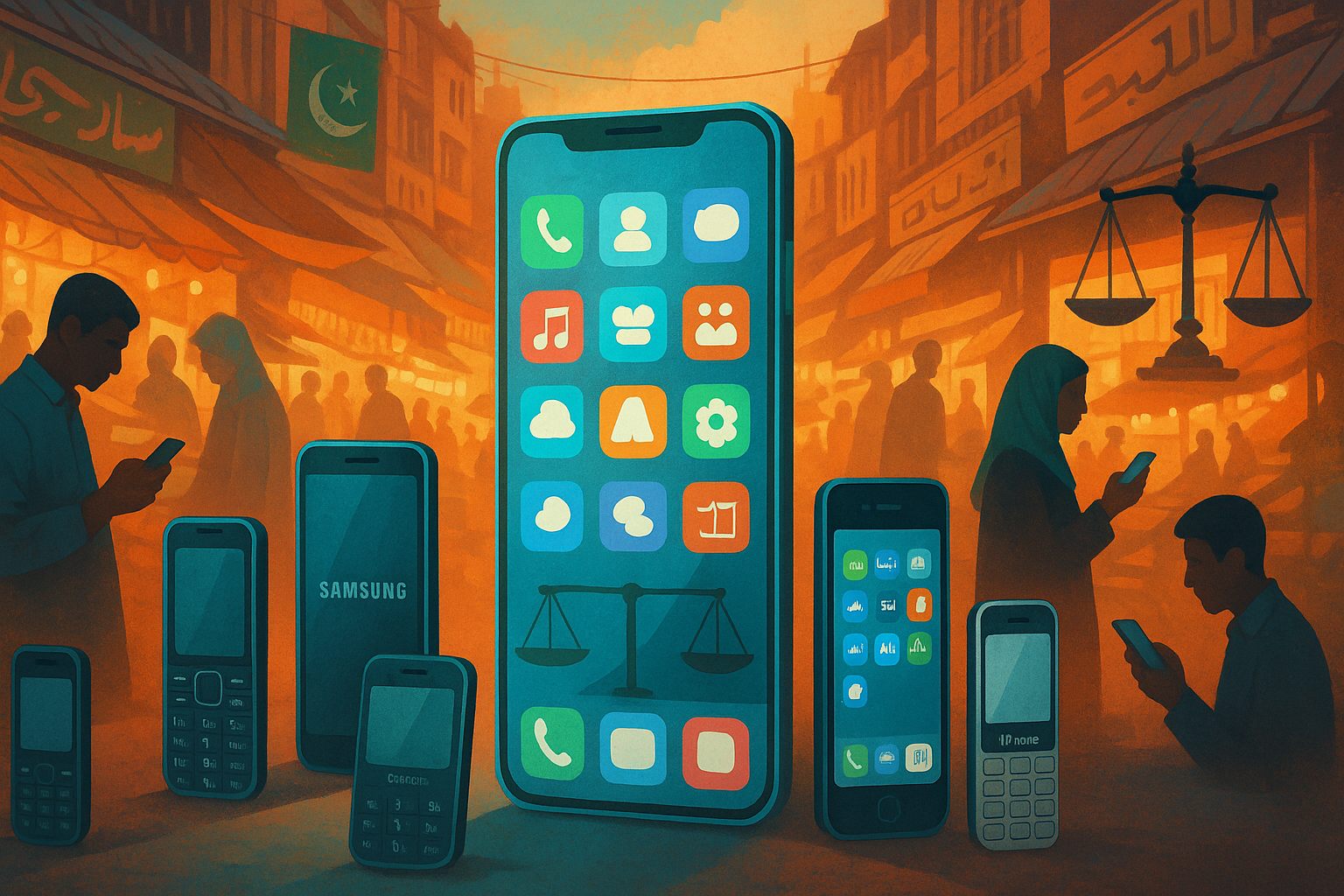
Many Pakistani consumers are highly price-sensitive, often weighing the cost of a phone against its features and longevity. This sensitivity is not only due to income levels but also because of the fluctuating economic conditions, including inflation and currency devaluation, which directly affect purchasing power.
Price Categories and Consumer Preferences
Mobile phones in Pakistan can be broadly categorized into three price segments: budget, mid-range, and premium. Each category has its own unique consumer base and set of expectations.
Budget Phones
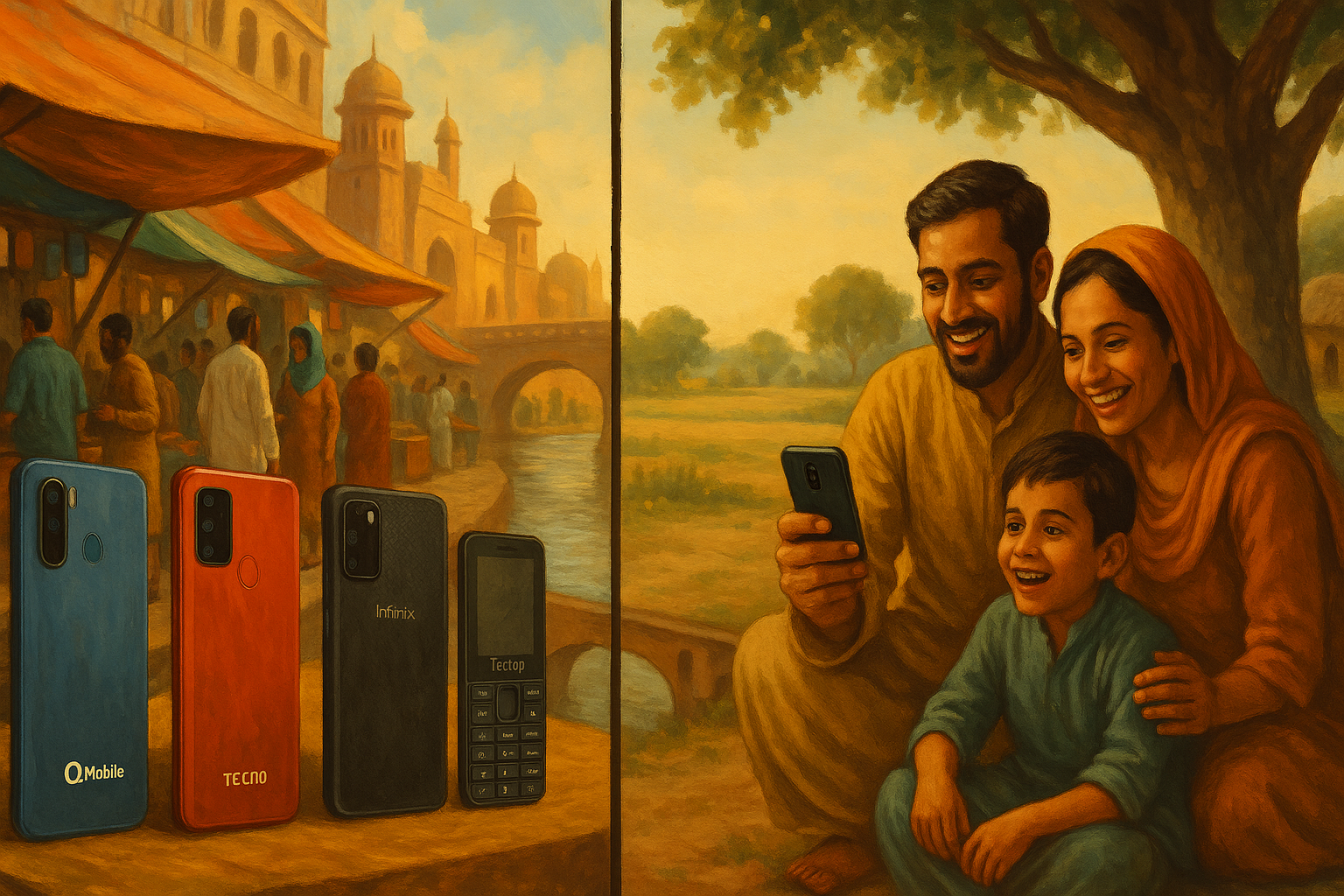
Budget phones are priced at the lower end of the spectrum and are the most popular choice among Pakistani consumers. These phones provide basic functionalities like calling, texting, and internet access. For many, especially in rural areas, a budget phone is the first step into the digital world. Consumers in this segment prioritize affordability and durability above all else. Brands like QMobile, Tecno, and Infinix have capitalized on this demand by offering inexpensive models that cater to essential needs.
Mid-range Phones
Mid-range phones strike a balance between price and performance. They offer better specifications, such as improved cameras, faster processors, and larger storage capacities, without breaking the bank. This segment appeals to young professionals and students who seek value for money. Brands like Xiaomi, Samsung, and Oppo dominate this space, providing competitive features at reasonable prices. As disposable incomes rise, many consumers upgrade from budget to mid-range phones, seeking enhanced user experiences.
Premium Phones
Premium phones are the most expensive, boasting the latest technology and features. They are typically purchased by affluent consumers looking for status symbols or tech enthusiasts passionate about cutting-edge innovations. Apple and Samsung are the main players in this segment, with their flagship models often seen as luxury items. Despite the high cost, some consumers are willing to invest in premium phones due to brand loyalty or the desire to own the latest technology.
The Role of Brand Perception
Brand perception plays a significant role in consumer choices concerning mobile phone prices. In Pakistan, certain brands have cultivated a reputation for reliability and quality, which strongly influences purchasing decisions. For instance, Samsung is often perceived as a trustworthy brand with a broad range of products, while Apple is synonymous with prestige and innovation.
Conversely, newer brands like Realme and Vivo have gained traction by offering similar features at lower prices, challenging established brands. Effective marketing strategies and positive word-of-mouth further bolster brand perception, swaying consumers towards particular models.
Impact of Technological Advancements and Trends
Technological advancements and trends also shape consumer choices. With the advent of 5G, augmented reality, and artificial intelligence, consumers are increasingly looking for phones that can support these cutting-edge technologies. However, the associated costs can deter price-sensitive buyers. Therefore, brands that manage to incorporate advanced features into affordable models often capture significant market share.
Additionally, trends like camera quality, battery life, and design aesthetics heavily influence consumer preferences. In a social media-driven world, a phone’s camera quality is especially important to young consumers who prioritize capturing high-quality images and videos.
Conclusion
In conclusion, the impact of mobile phone prices on consumer choices in Pakistan is profound. While price remains the primary deciding factor, it is closely intertwined with brand perception, technological advancements, and individual consumer preferences. As the market continues to evolve, manufacturers must strike a delicate balance between cost and features to cater to the diverse needs of Pakistani consumers. The future promises exciting developments in this dynamic landscape, and it will be fascinating to see how consumer choices continue to shift in response to economic changes and technological innovations.